Flame-retardant hoses
Self-extinguishing hoses for extraction, ventilation and hot air. A flame-retardant hose is not non-combustible; it is built to stop burning once the ignition source is removed. The class you need follows from the installation, not from the hose.
Flame retardancy is a material property, not a guarantee. A flame-retardant material ignites less readily, burns more slowly and usually self-extinguishes once the flame is removed. Given enough energy it still burns, which is precisely why the classifications exist: they describe how much the material contributes to a fire, not whether it can burn at all.
The classes belong to different sectors. Construction works to DIN 4102-B1 and EN 13501-1, rail to DIN 5510-2 and EN 45545-2, vehicles to FMVSS 302 and ISO 3795, and French public buildings to NF P 92-503 and NF P 92-507. UL 94 is a material test that cuts across all of them. The requirement therefore comes from the installation the hose goes into, not from the hose itself.
This page lists the hoses we recommend where fire safety is a documented requirement. The filters on the left narrow the list to the standards your installation has to meet.
Products
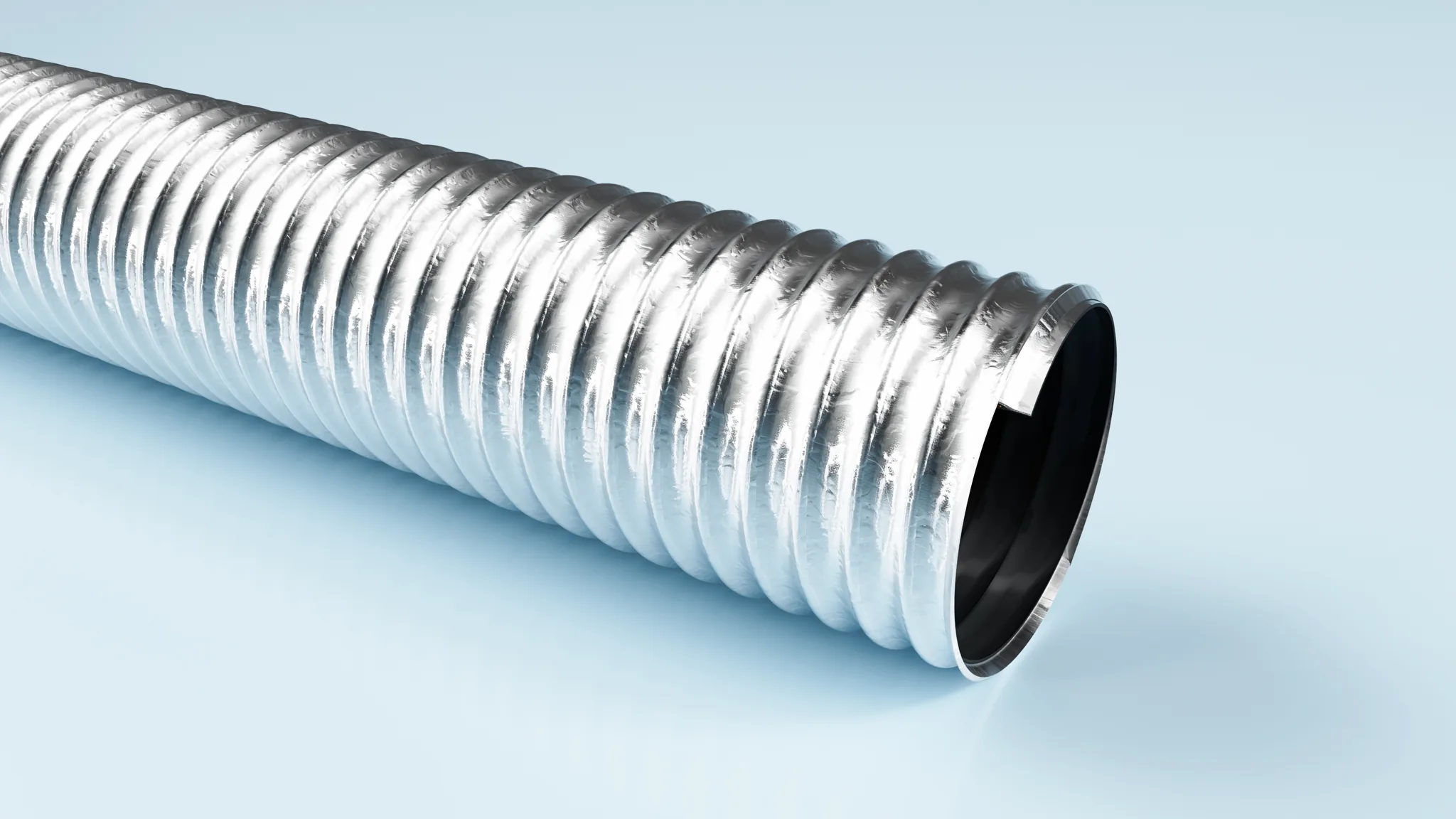
AIRDUC PUR 352 SE RAILWAY PLUS (MD)
Fire-safe PUR suction and pressure hose per EN 45545-2 for railway and marine
- Inner Ø: 20-50 mm
- Temp: −40°C to +90°C
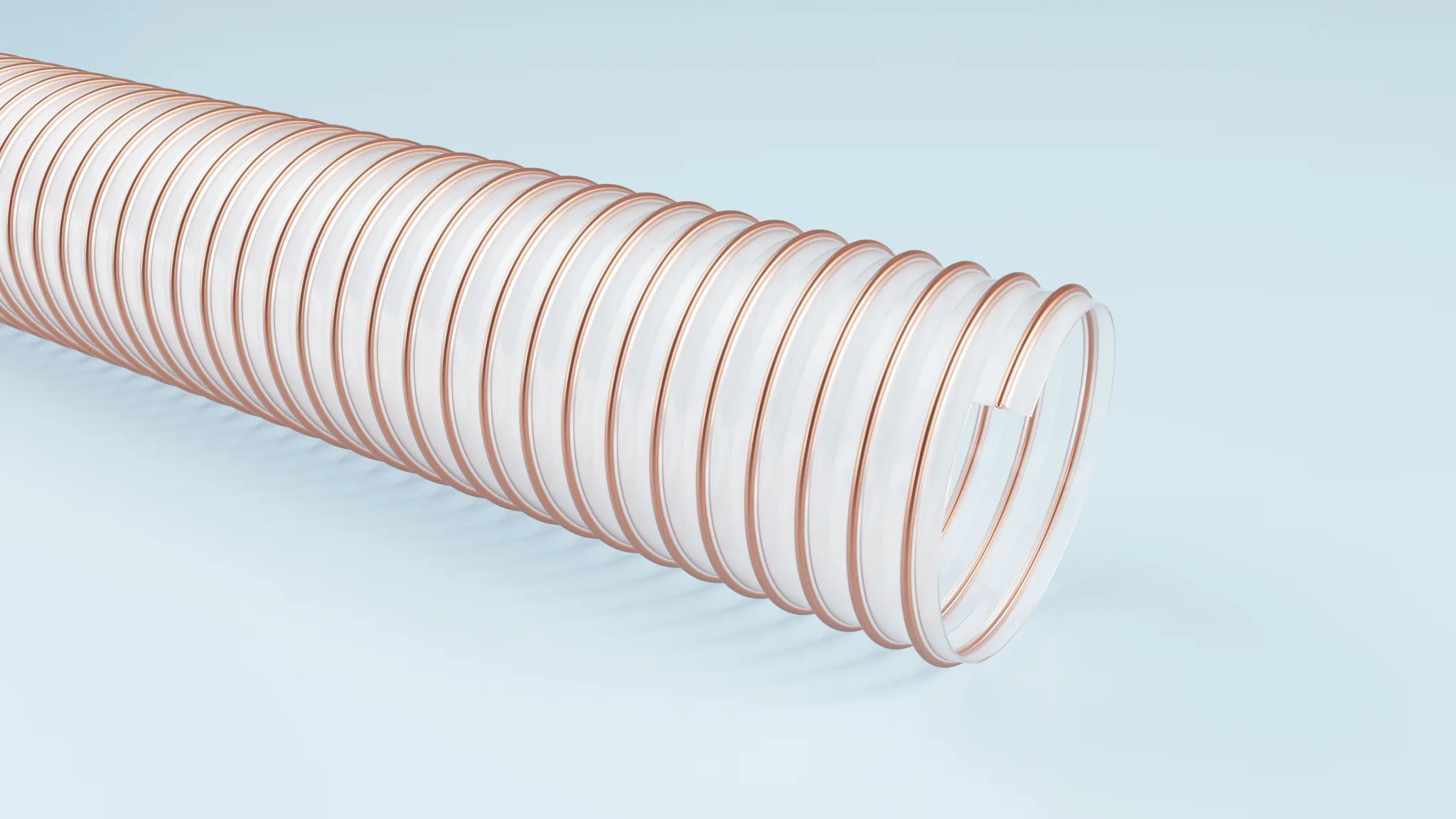
AIRDUC® PUR 352 SE (MD)
Flame-retardant polyurethane hose for ventilation, heating and plumbing in rail vehicles and ships
- Inner Ø: 20-450 mm
- Temp: −40°C to +90°C
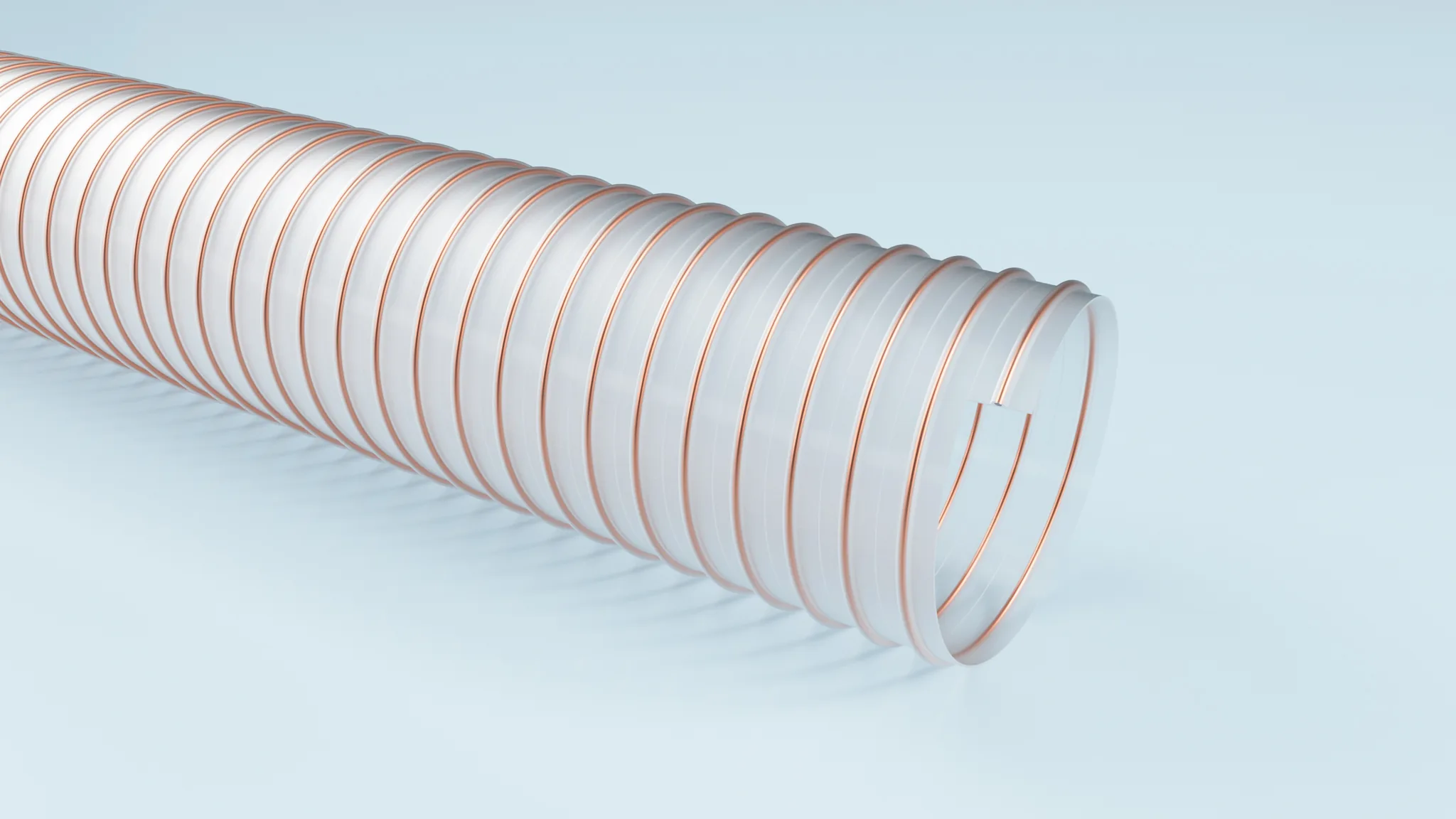
AIRDUC® PUR 350 AS (MD)
Lightweight antistatic PUR hose for pneumatic transport in ATEX zones
- Inner Ø: 25.1-500 mm
- Temp: −40°C to +90°C
- Standards: ATEX 2014/34/EU, TRGS 727, DIN 26057
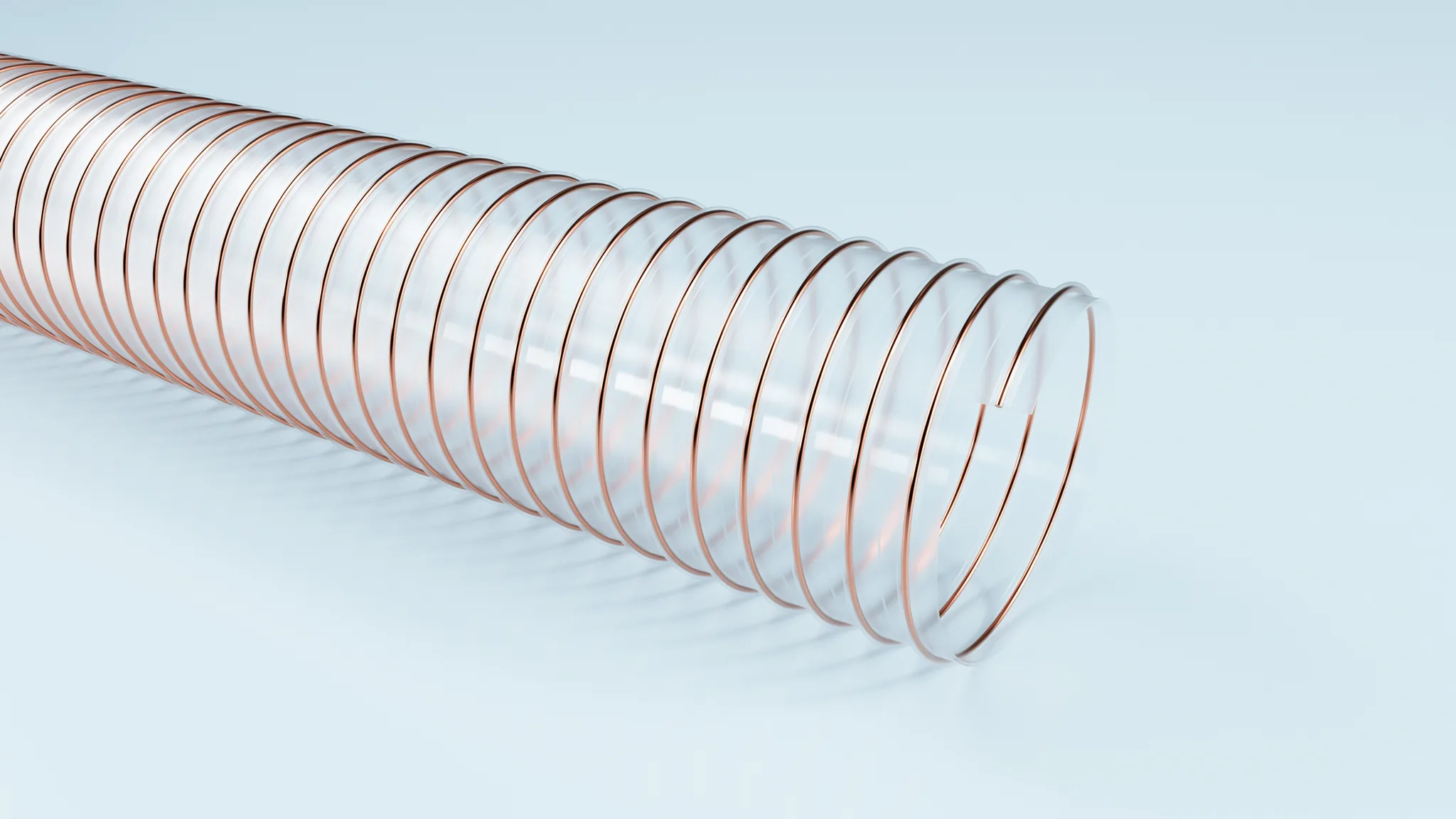
AIRDUC® PUR 351 FOOD (MD)
Food-grade polyurethane hose for abrasive media
- Inner Ø: 19-500 mm
- Temp: −40°C to +90°C
- Standards: EU 1935/2004, EU 10/2011, FDA 21 CFR

AIRDUC® PUR 352 SE RAILWAY (MD)
Self-extinguishing EN 45545-2 railway hose — abrasion-resistant PUR for ventilation, heating and sanitary systems
- Inner Ø: 20-125 mm
- Temp: −40°C to +90°C
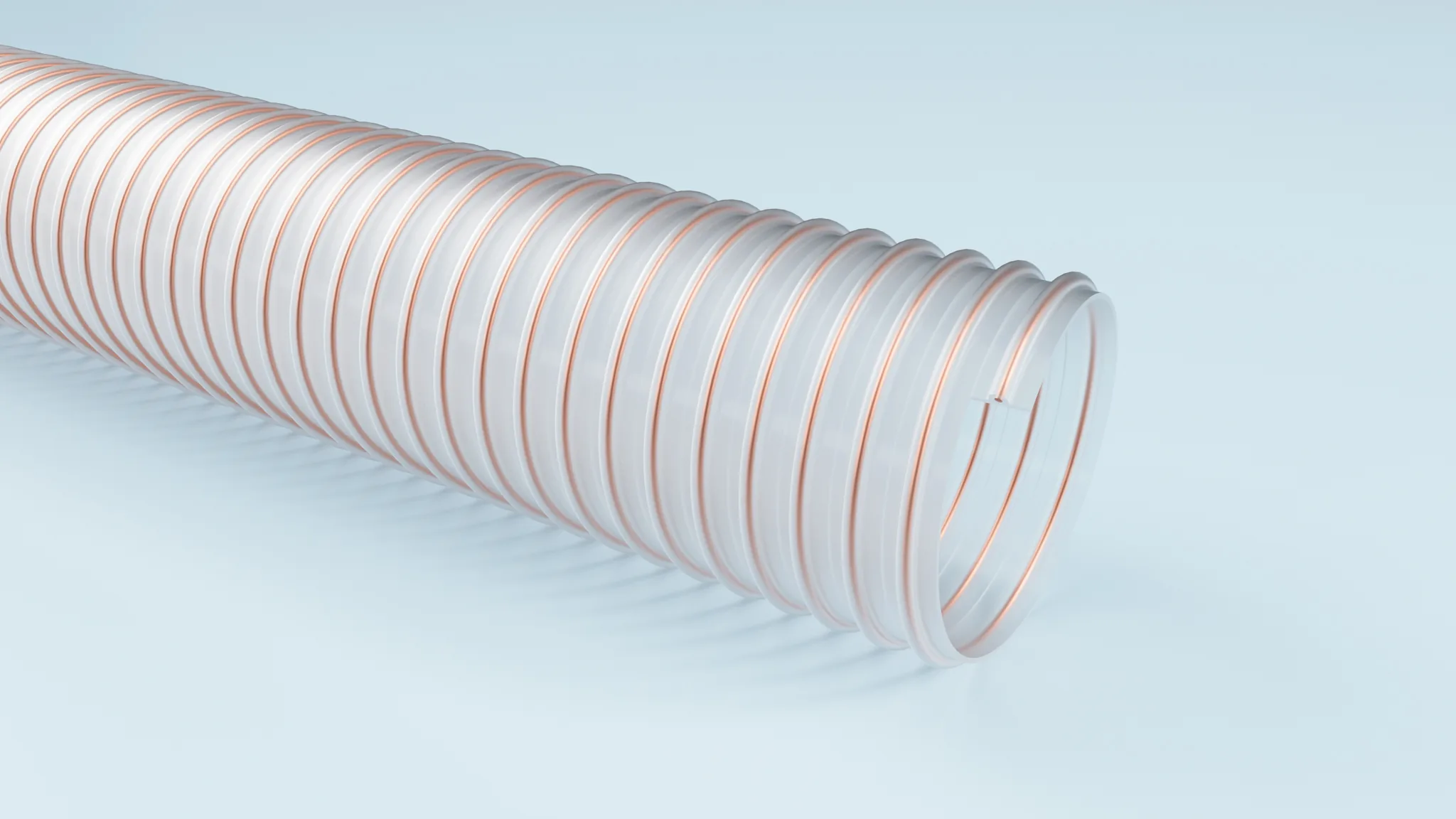
AIRDUC® PUR 355 AS (HD)
Antistatic heavy-duty polyurethane hose for abrasive media in ATEX zones
- Inner Ø: 13-500 mm
- Standards: ATEX 2014/34/EU, TRGS 727, DIN 26057
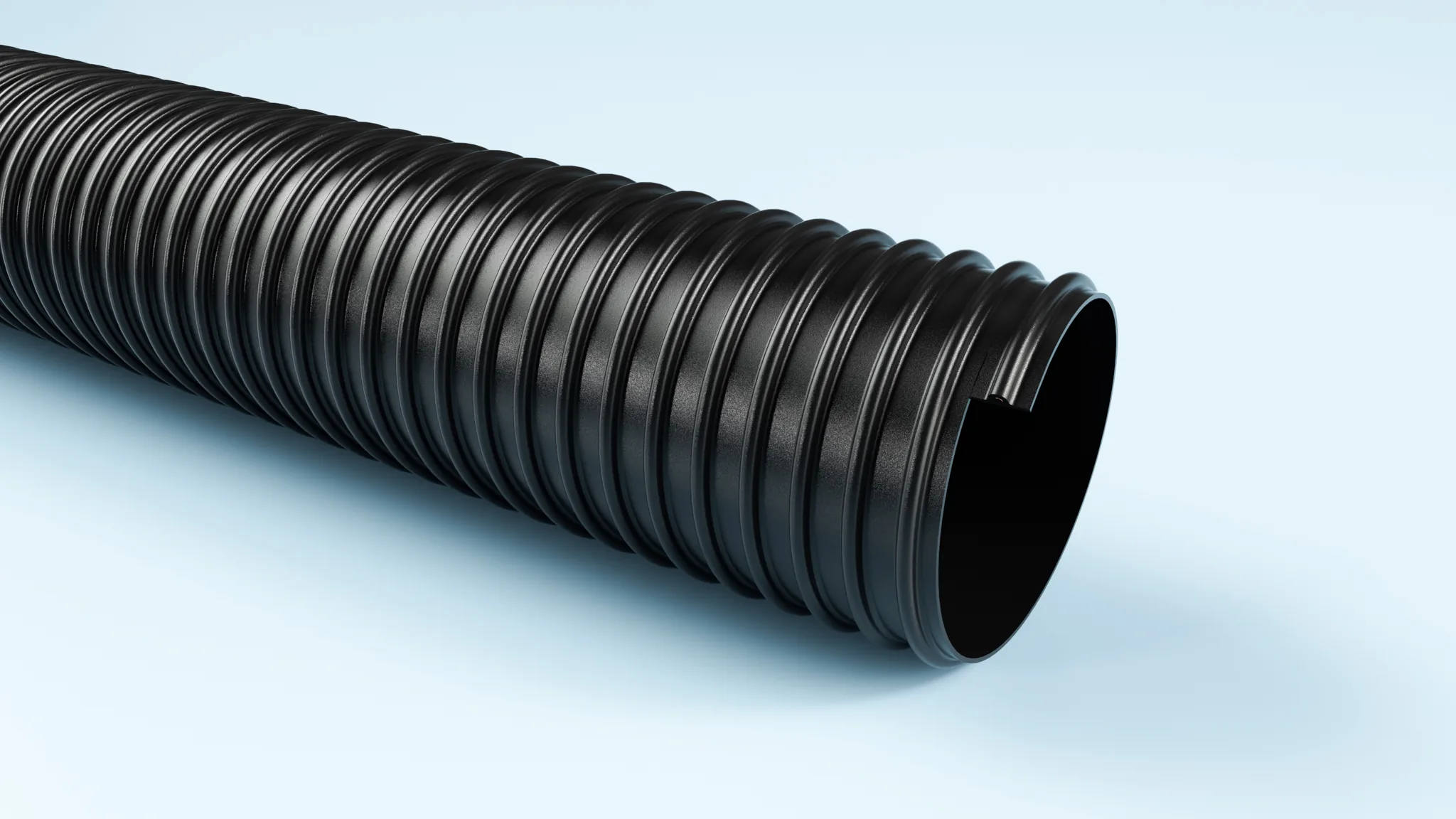
AIRDUC® PUR 355 EC (HD)
Conductive heavy-duty polyurethane hose for abrasive media in ATEX zones
- Inner Ø: 20-110 mm
- Temp: −40°C to +90°C
- Standards: ATEX 2014/34/EU, TRGS 727, DIN 26057
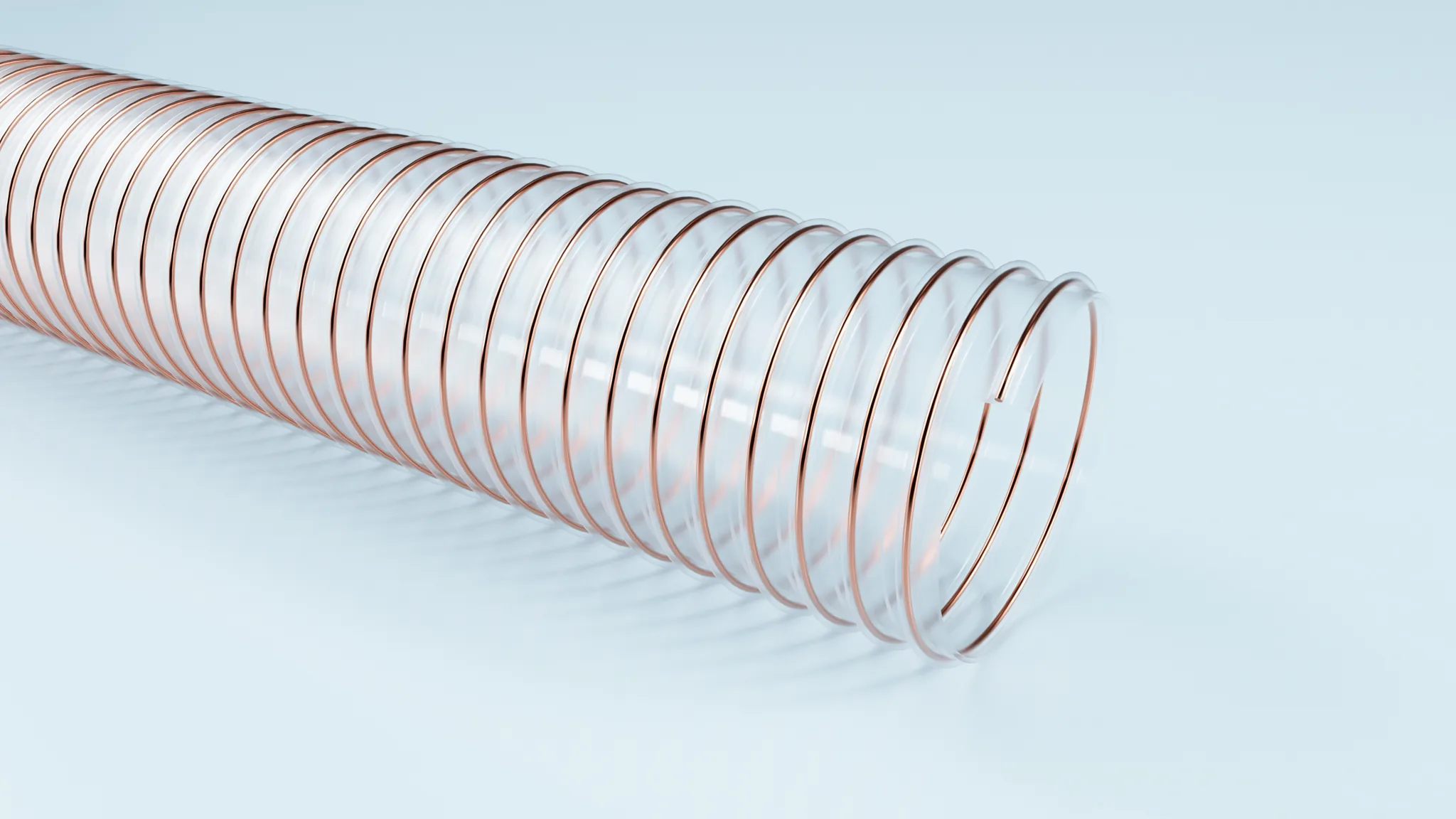
AIRDUC® PUR 355 FOOD (HD)
Heavy-duty food-grade PUR hose for abrasive media
- Inner Ø: 13-400 mm
- Standards: EU 1935/2004, EU 10/2011, FDA 21 CFR
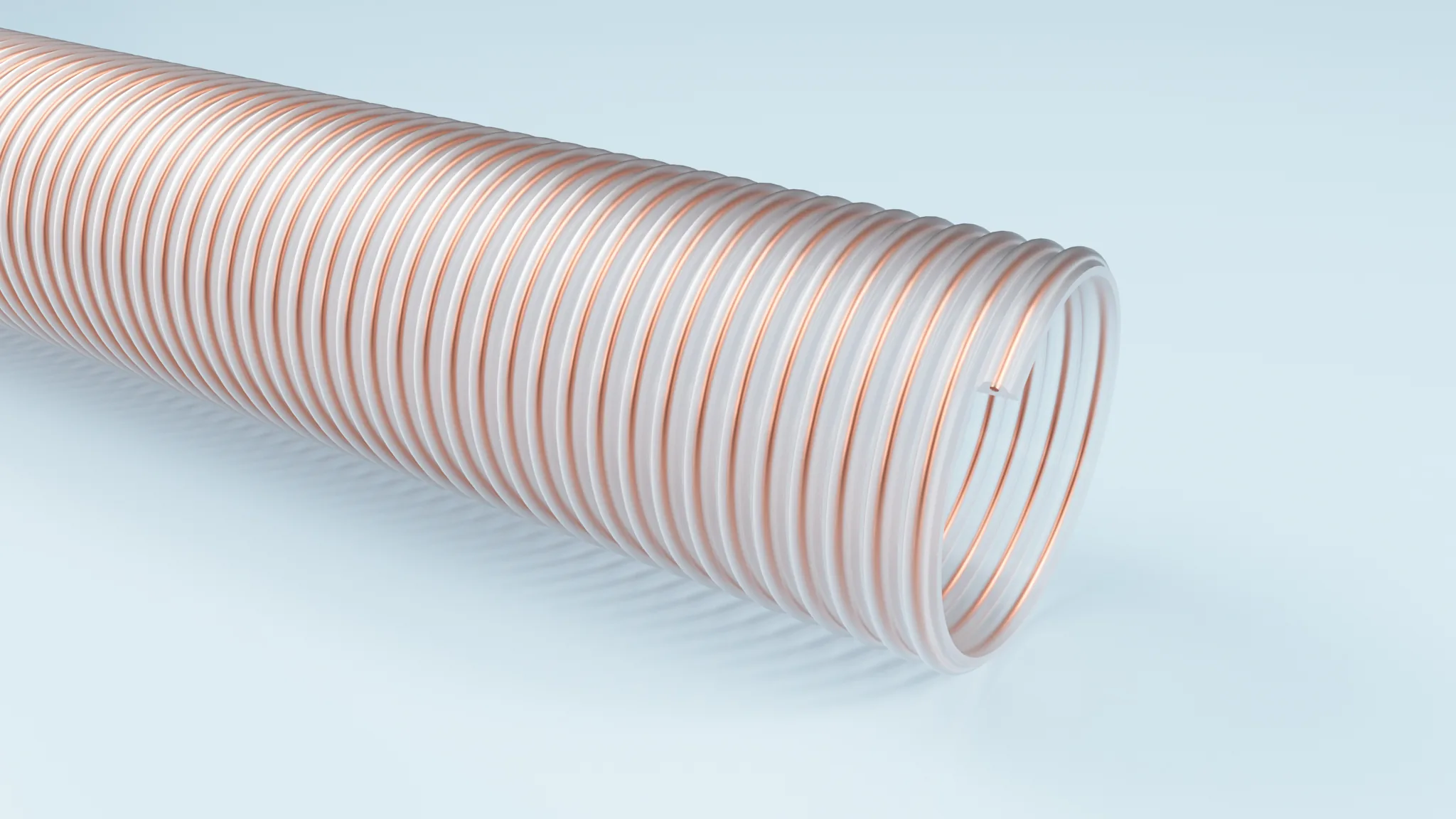
AIRDUC® PUR 356 AS (XHD)
Antistatic extra heavy-duty PUR hose for the toughest media in ATEX zones
- Inner Ø: 32-300 mm
- Temp: −40°C to +90°C
- Standards: ATEX 2014/34/EU, TRGS 727, DIN 26057

AIRDUC® PUR 356 FOOD (XHD)
Extra heavy-duty food-grade PUR hose for high throughputs of abrasive food media
- Inner Ø: 32-152 mm
- Temp: −40°C to +90°C
- Standards: EU 1935/2004, EU 10/2011, FDA 21 CFR
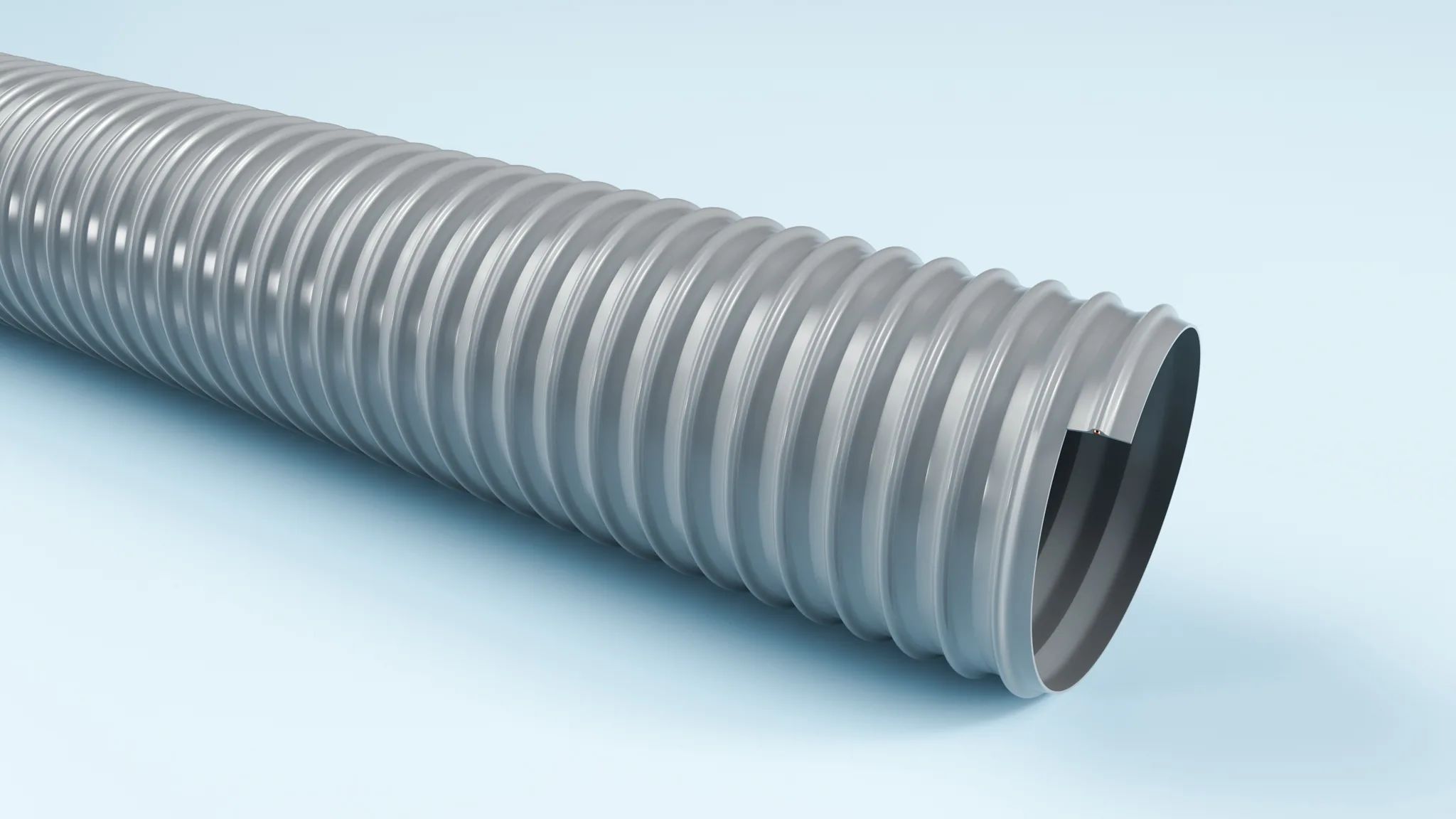
AIRDUC® PVC 341 (MD)
Flame-retardant PVC suction and pressure hose — MD construction for industrial extraction and powder pneumatics
- Inner Ø: 20-350 mm
- Temp: −20°C to +70°C

CARBOCORD/EN 7840 A1
Fire-resistant fuel hose for boats — ISO 7840 A1 and SAE J1527
- Inner Ø: 5-63 mm
- Temp: −30°C to +100°C
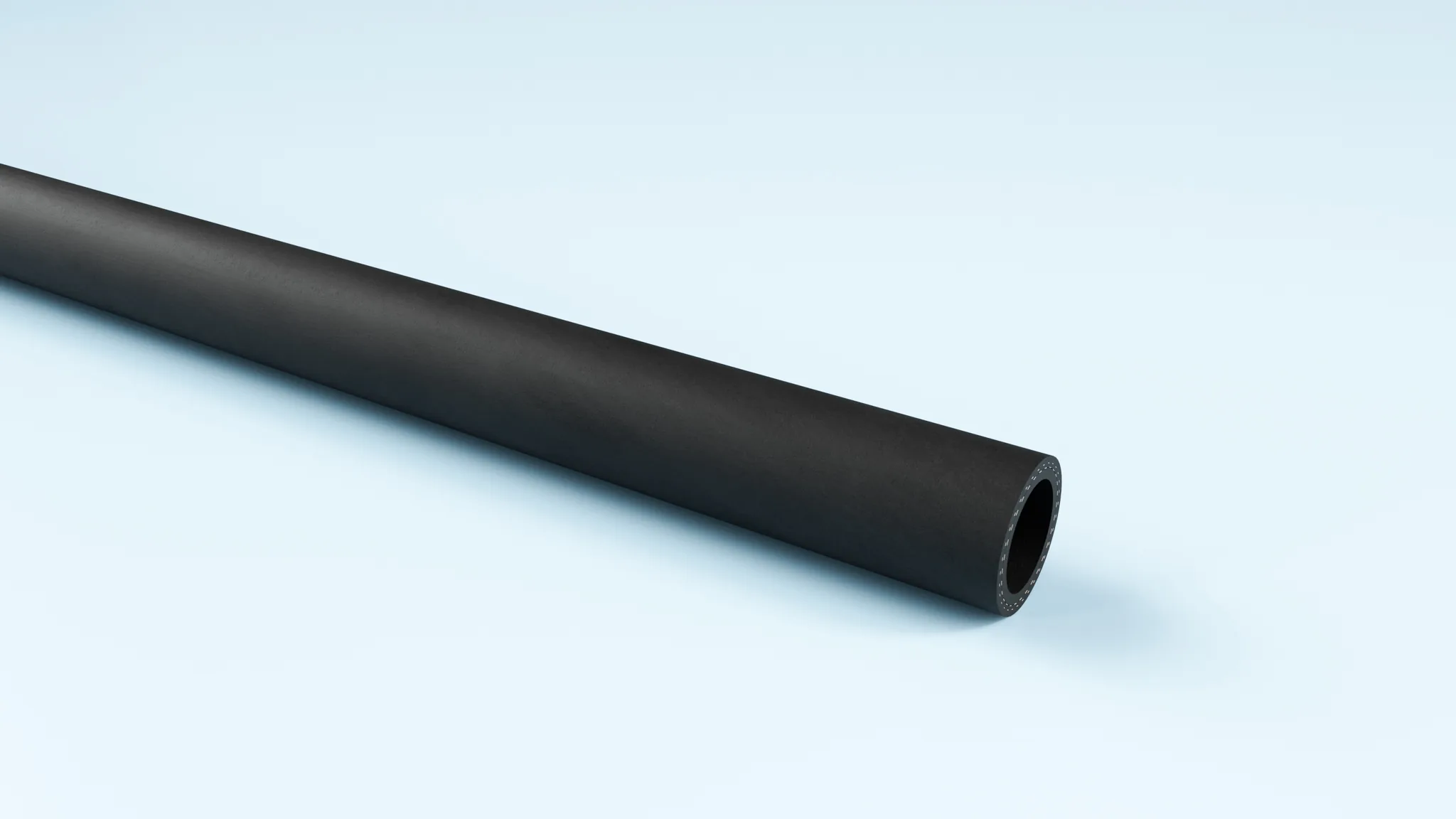
CARBOFORM®/EN/ISO
Flame-retardant self-extinguishing fuel hose — for leisure boats and yachts
- Inner Ø: 6-19 mm
- Temp: −35°C to +80°C
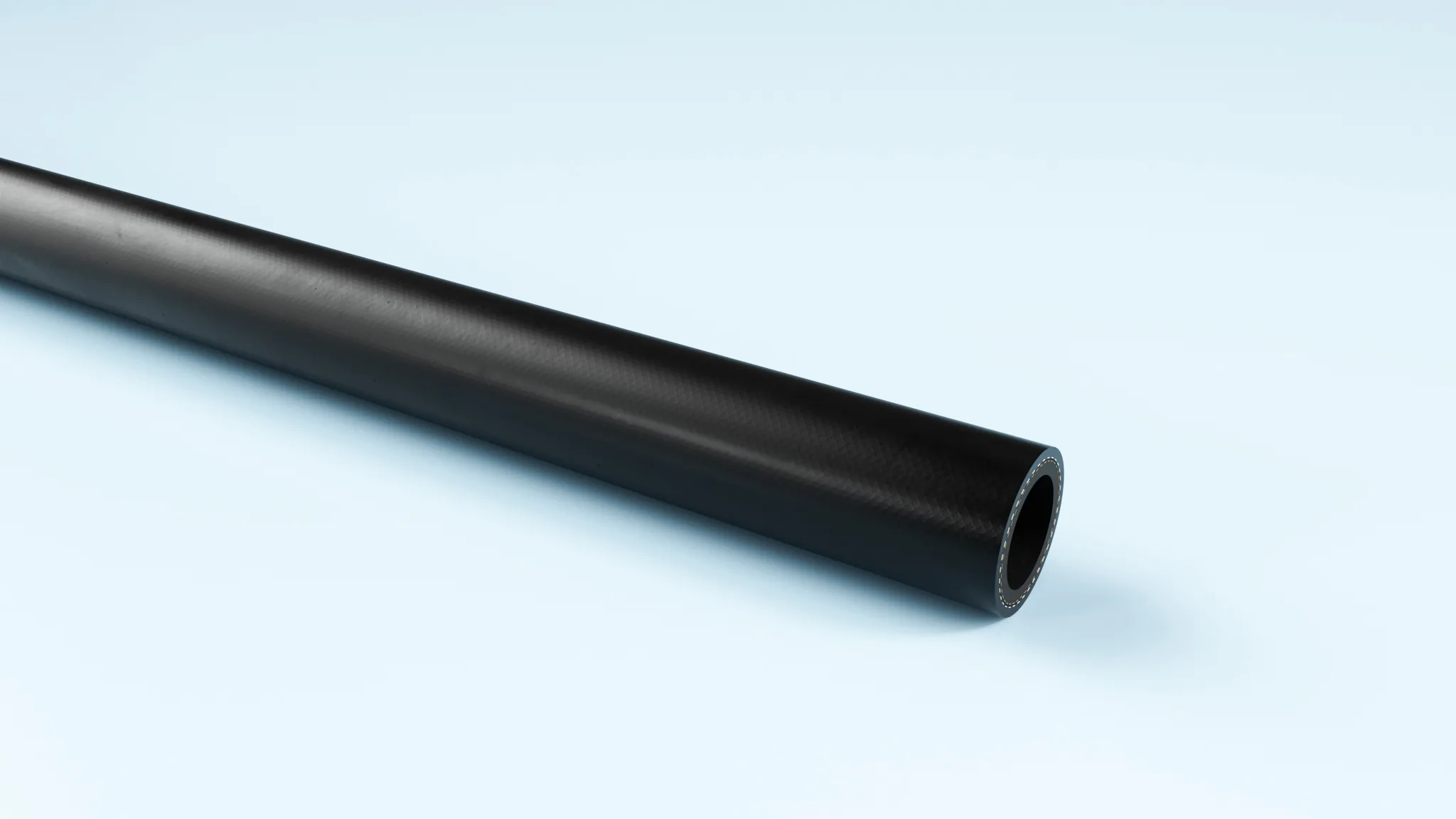
CARBOFORM®/PD
Conductive fuel hose for petrol pumps — EN 1360, 16 bar, for petrol and oil
- Inner Ø: 15-25 mm
- Temp: −30°C to +90°C
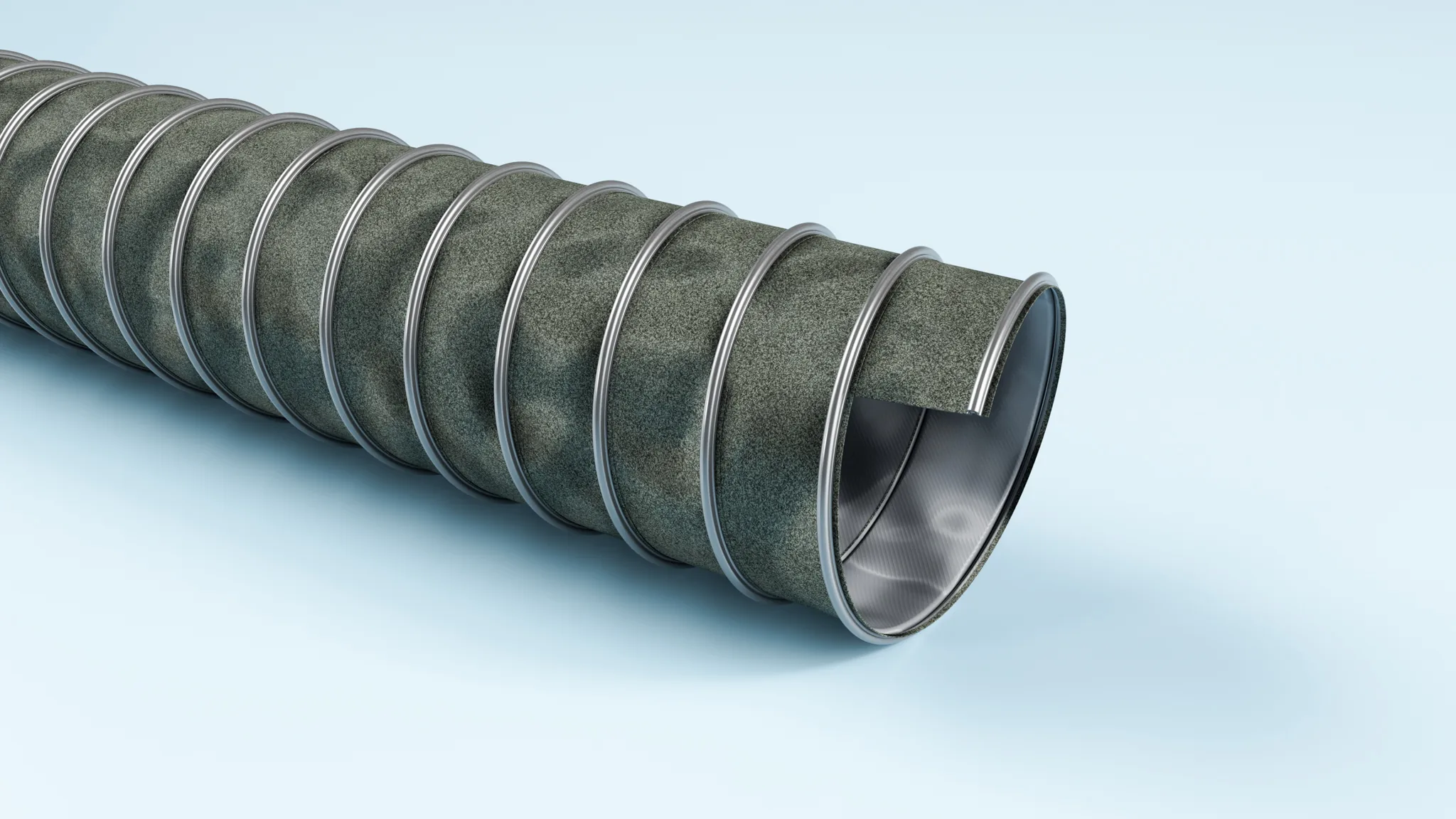
CP ARAMID 461
High-temperature clamp profile with aramid wall — up to +300°C, flame-retardant M1/B1
- Inner Ø: 38-508 mm
- Temp: −60°C to +260°C
- Standards: REACH, RoHS
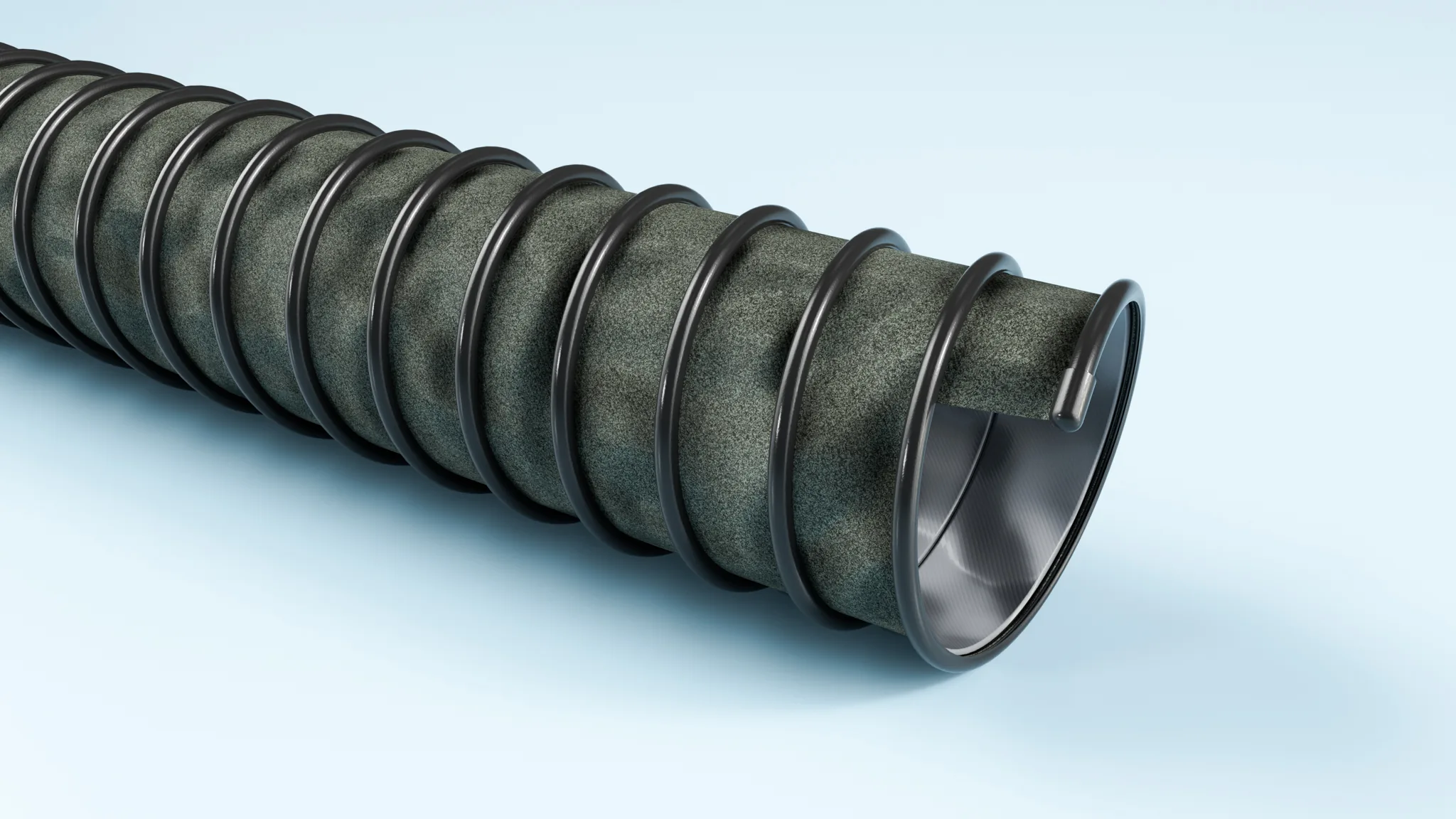
CP ARAMID 461 PROTECT
High-temperature clamp profile hose — engine exhaust extraction up to +300°C, M1 fire class
- Inner Ø: 75.6-250 mm
- Temp: +0°C to +300°C
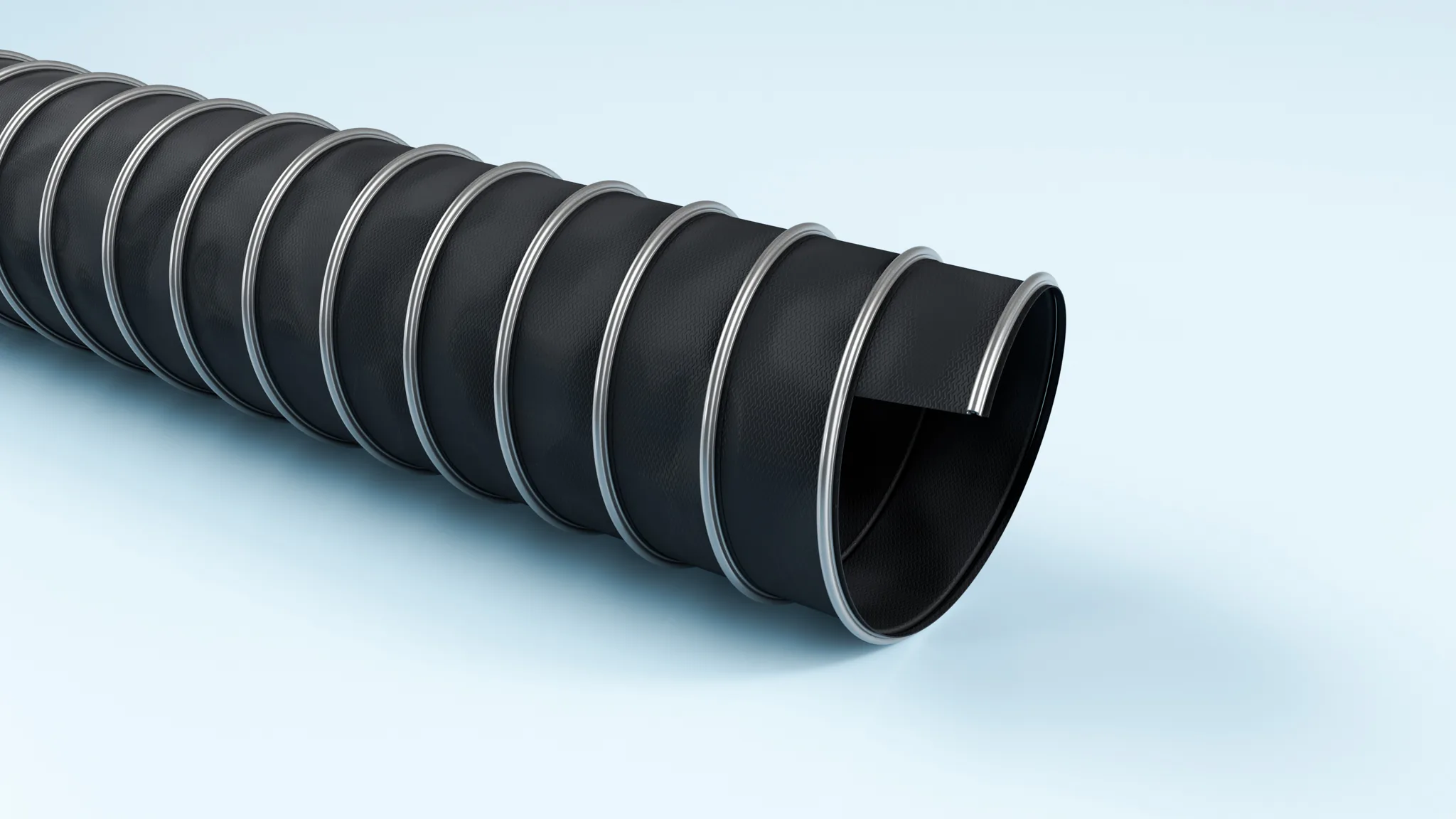
CP HiTex® 467 WELDING
Specialised high-temperature hose for welding fume extraction
- Inner Ø: 50-200 mm
- Temp: −60°C to +280°C
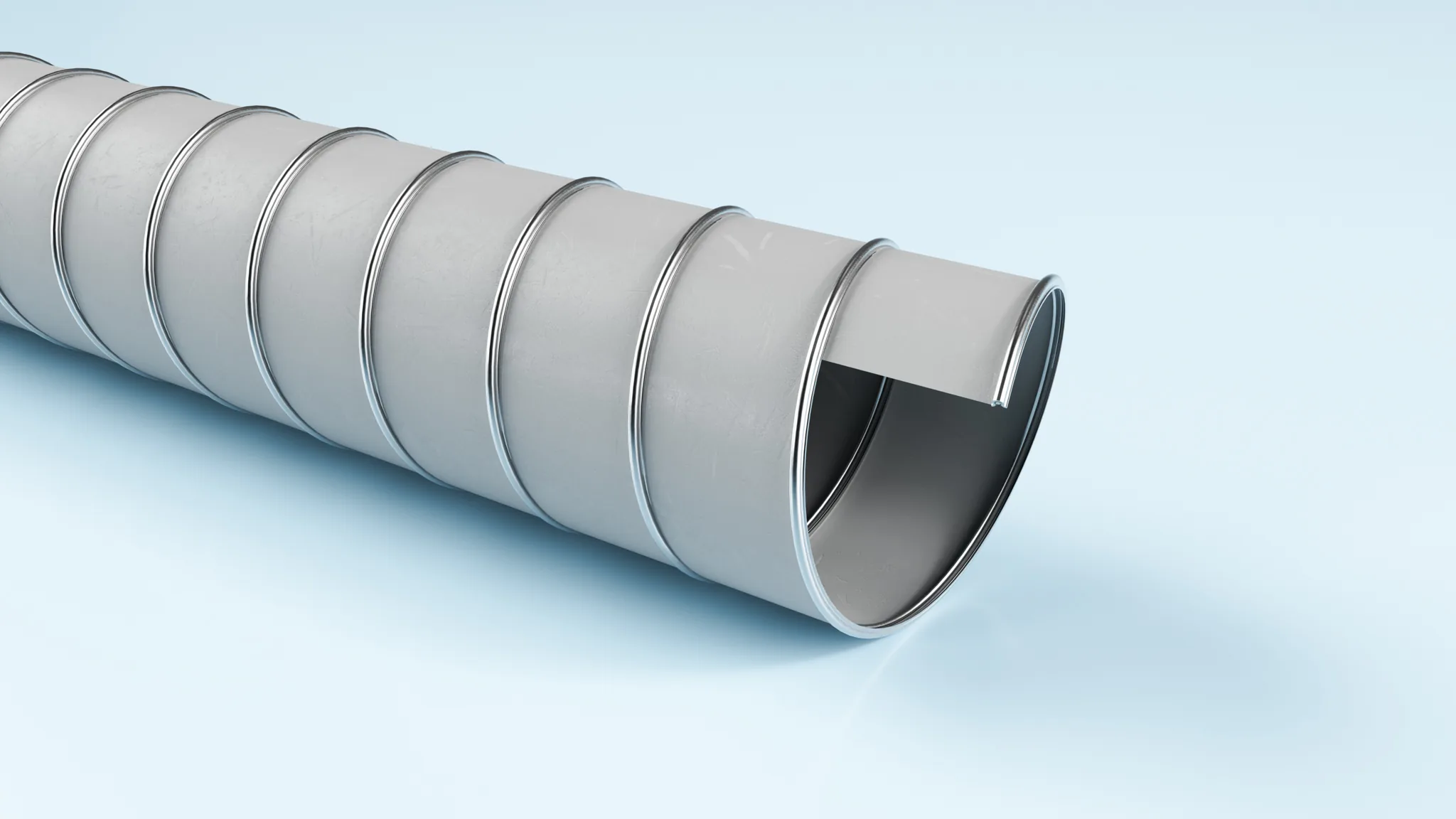
CP PVC 465
Flame-retardant clamp profile hose — fabric-reinforced, chemical-resistant, for extraction arms and welding fume
- Inner Ø: 38-900 mm
- Temp: −10°C to +80°C
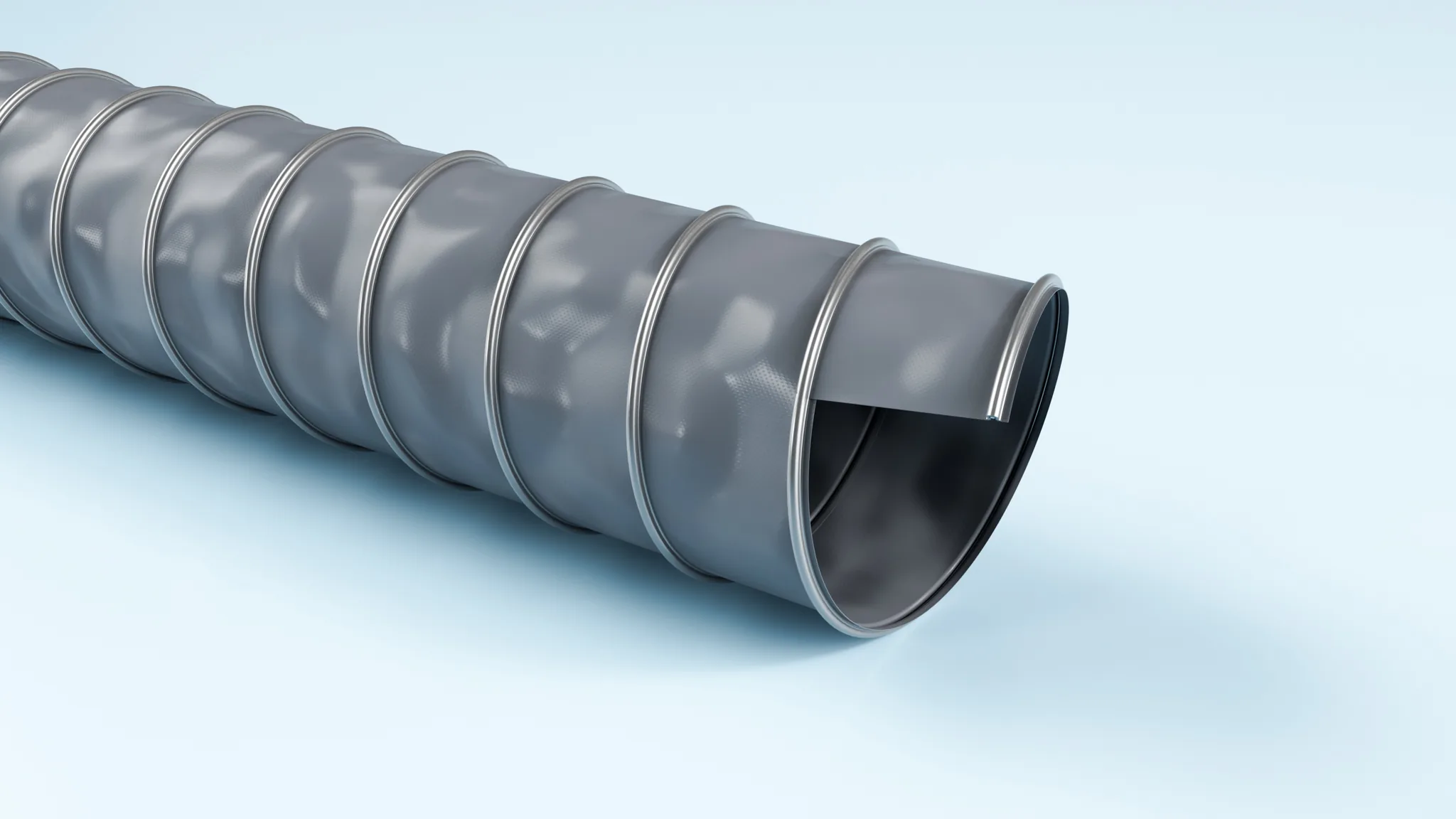
CP PVC 466 HT
High-temperature clamp profile PVC hose — flame-retardant NF P 92-503 M1, up to +110°C
- Inner Ø: 38-700 mm
- Temp: −10°C to +110°C
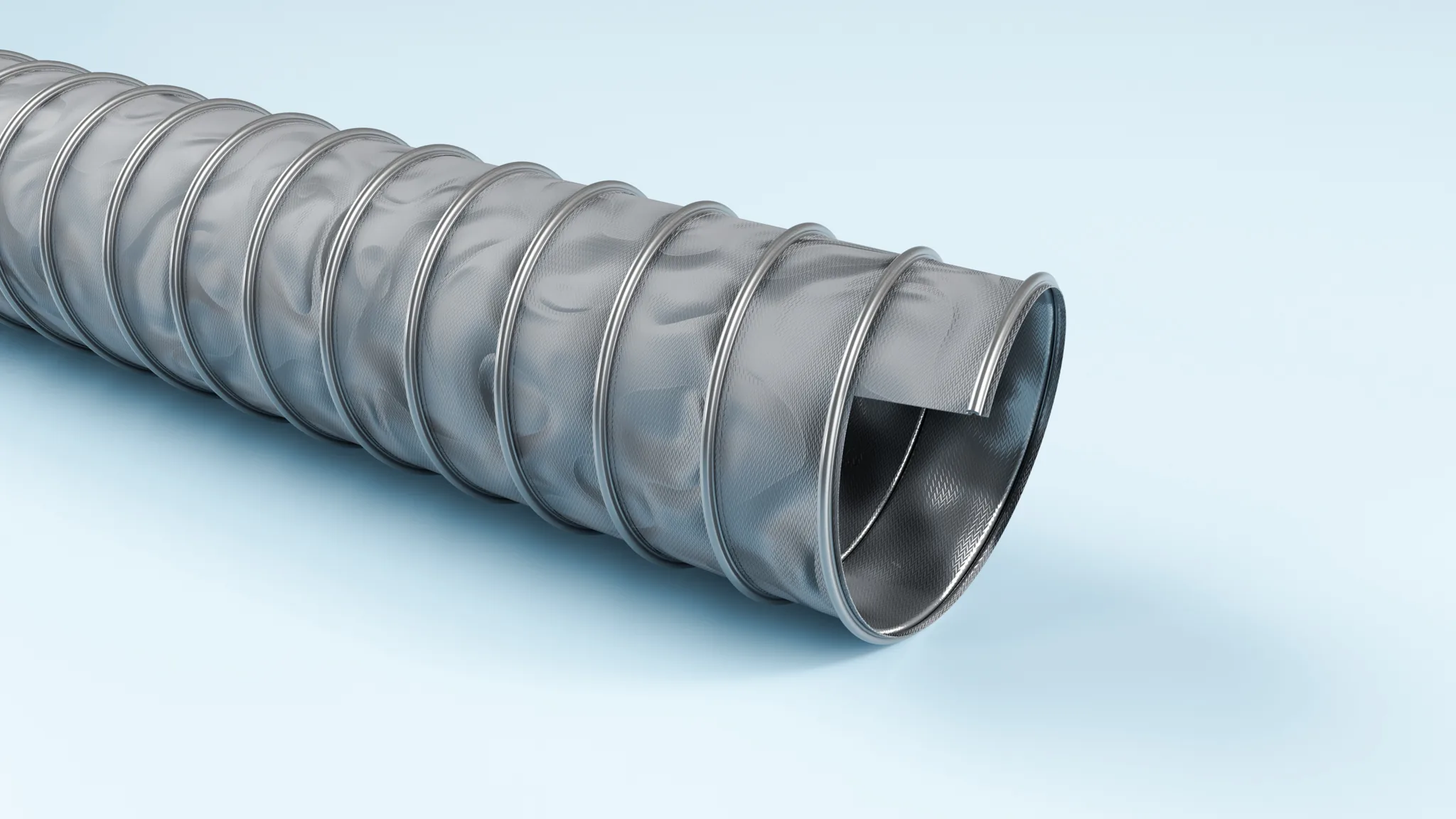
CP SIL 460
Silicone clamp profile hose — flame-retardant, heat-resistant up to +280°C
- Inner Ø: 50.5-750 mm
- Temp: −30°C to +250°C
- Standards: REACH, RoHS
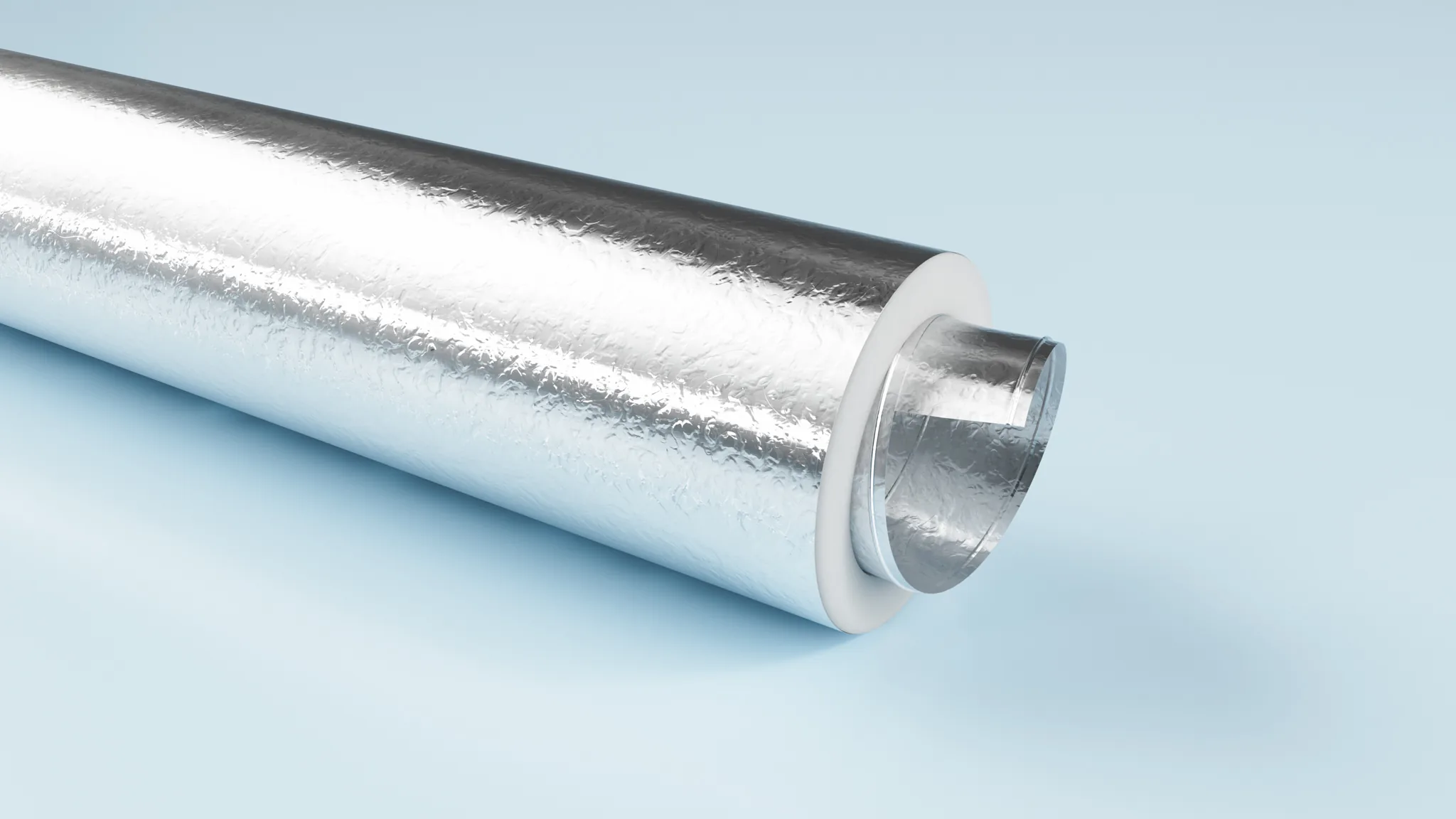
ISODUC ALU-PES 368
Highly flexible HVAC hose in aluminium-polyester laminate
- Inner Ø: 76-610 mm
- Temp: −30°C to +140°C
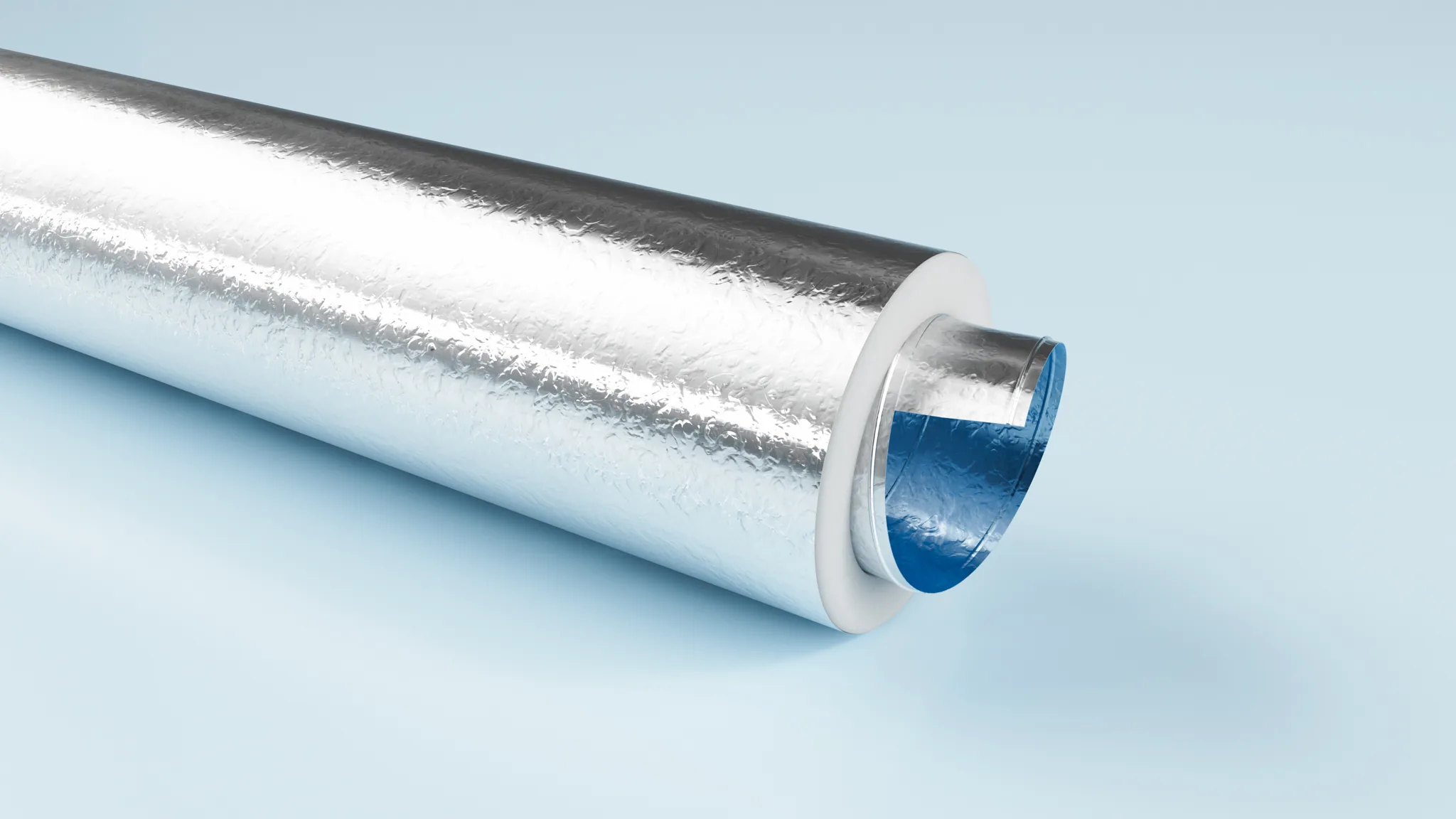
ISODUC ALU-PES 368 Anti-Bacterial
Antibacterial HVAC hose for hospitals and laboratories
- Inner Ø: 76-610 mm
- Temp: −30°C to +140°C
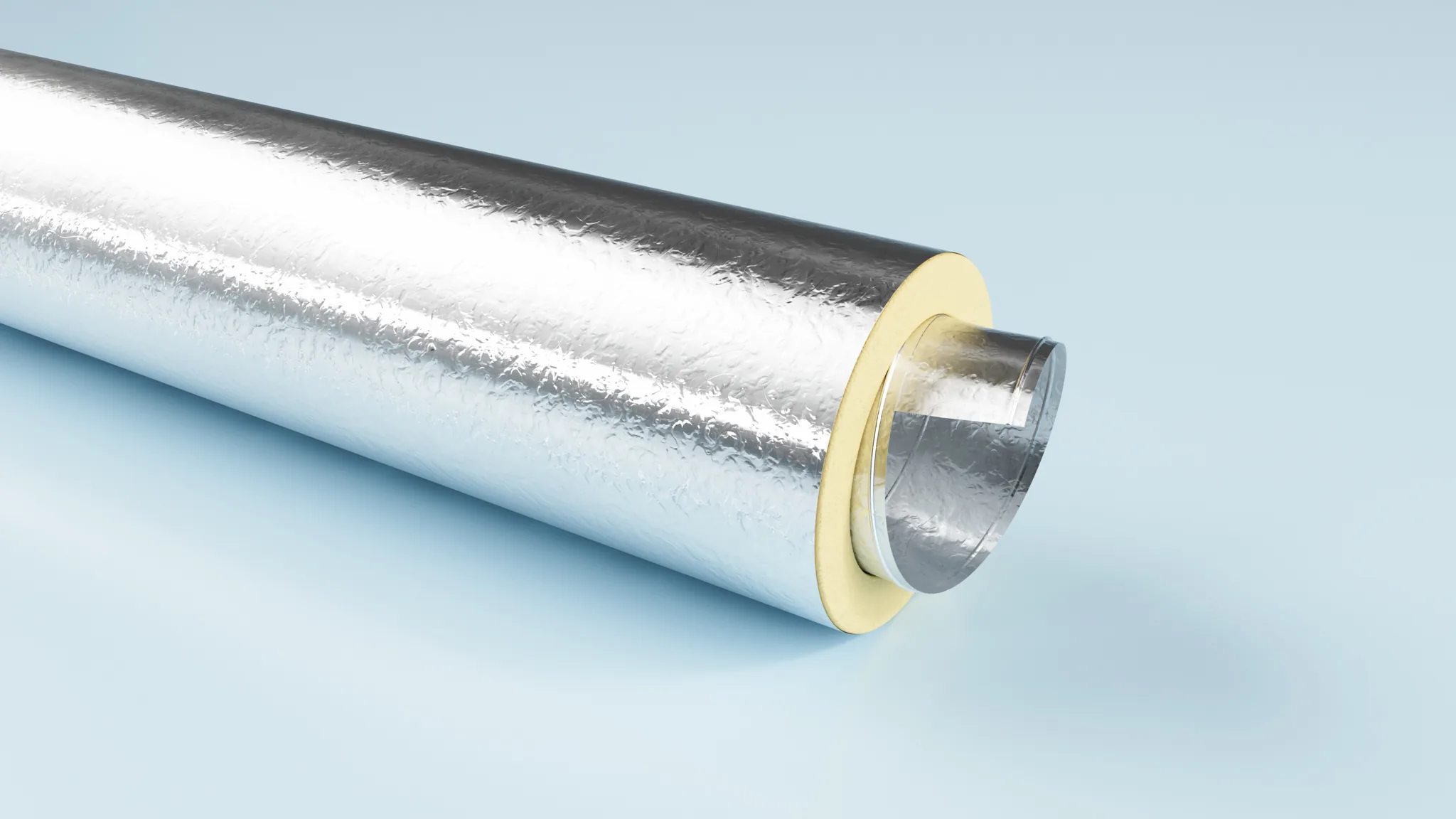
ISODUC ALU-PES 368 SE
Reinforced ALU-PES variant with extra coil density
- Inner Ø: 76-610 mm
- Temp: −30°C to +140°C
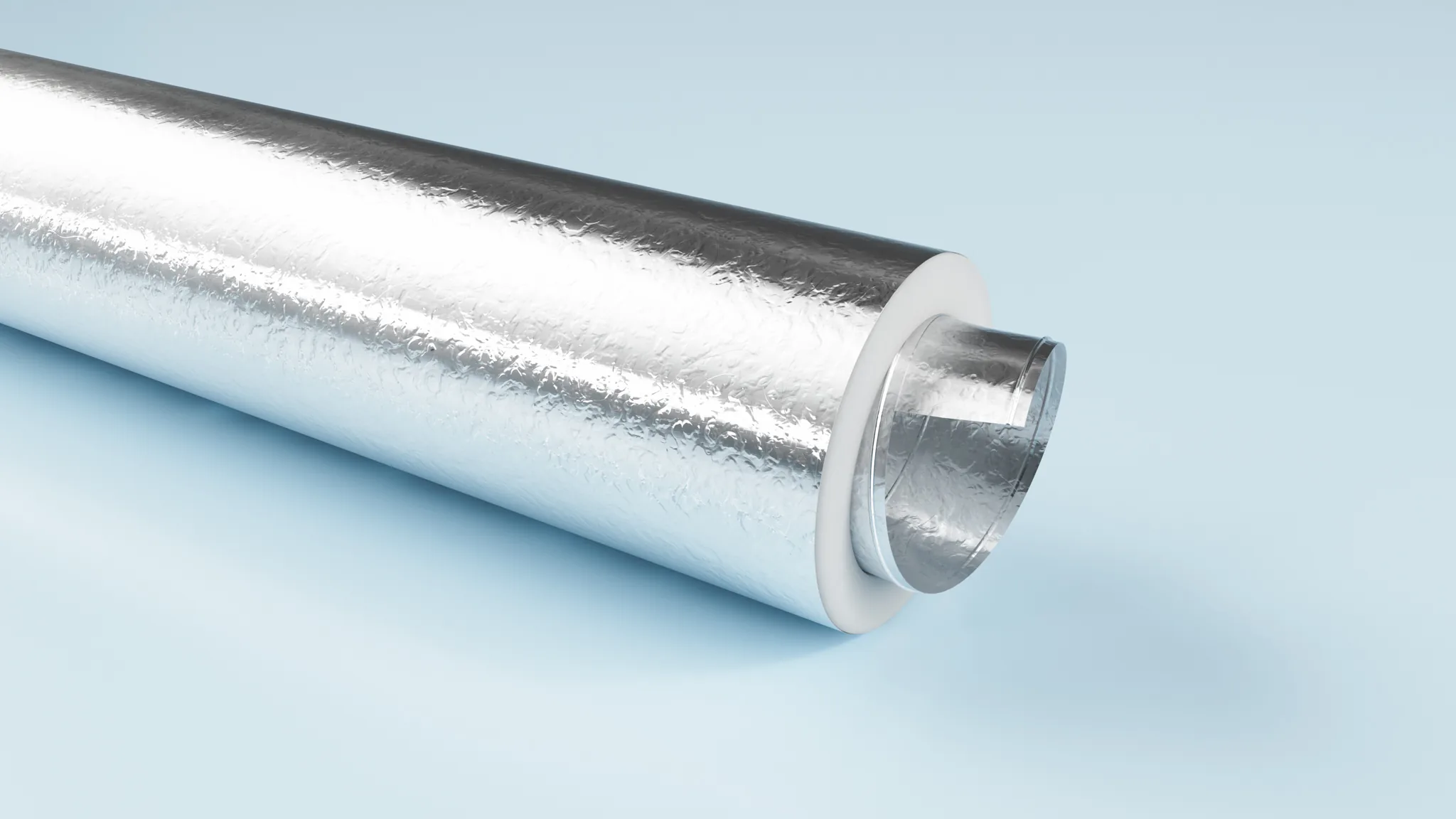
ISODUC ALU-PES 368 Sound Insulation
Sound-damping HVAC hose for fans and cooling units
- Temp: −30°C to +140°C
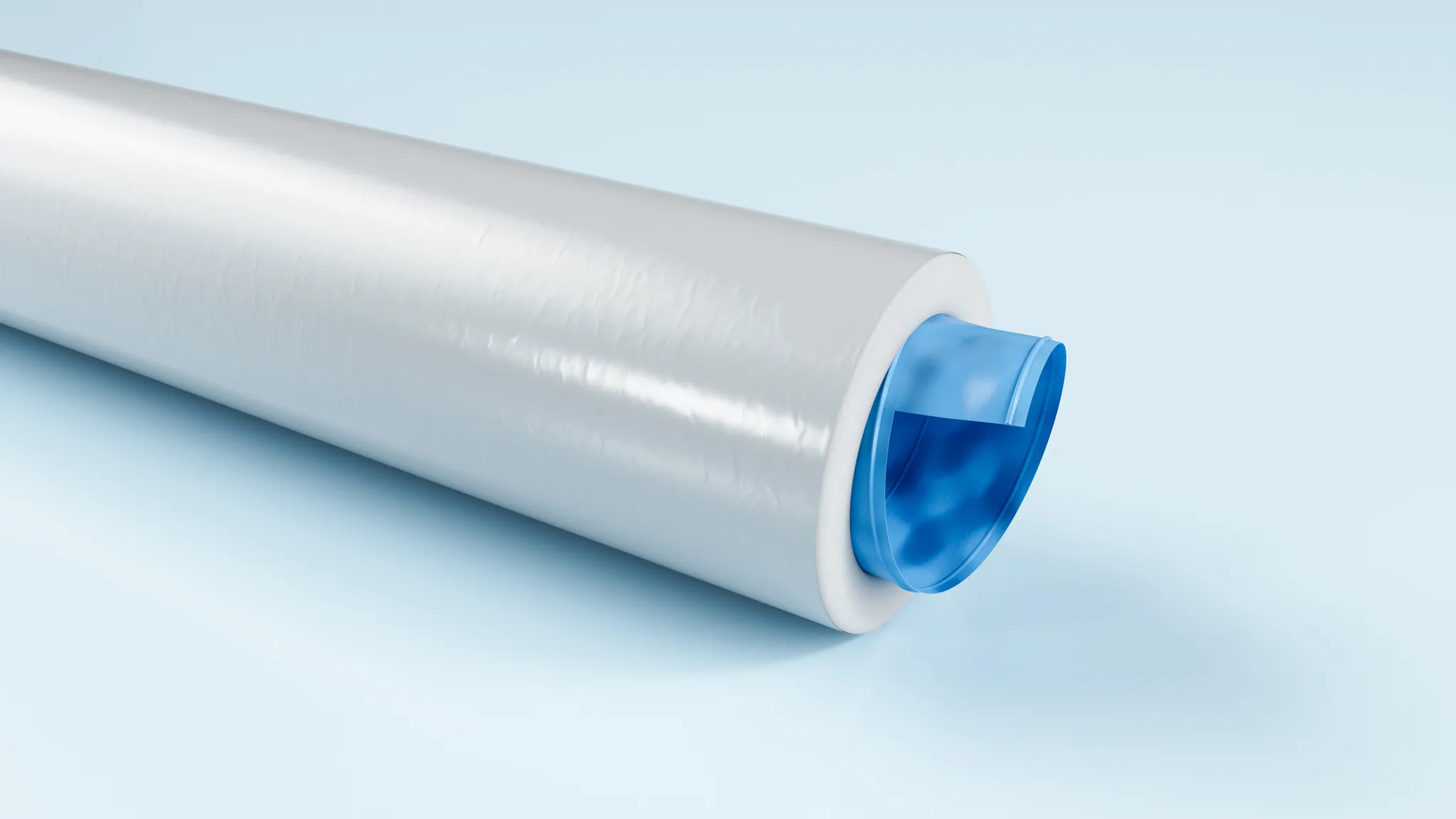
ISODUC PVC 368 Anti-Bacterial
Antibacterial PVC ventilation hose for standard HVAC
- Inner Ø: 76-610 mm
- Temp: −10°C to +80°C

ISODUC PVC 368 Black
Black PVC ventilation hose for visible installations
- Inner Ø: 76-610 mm
- Temp: −10°C to +80°C

ISODUC PVC 368 Grey
Grey PVC ventilation hose - classic HVAC colour
- Inner Ø: 76-610 mm
- Temp: −10°C to +80°C
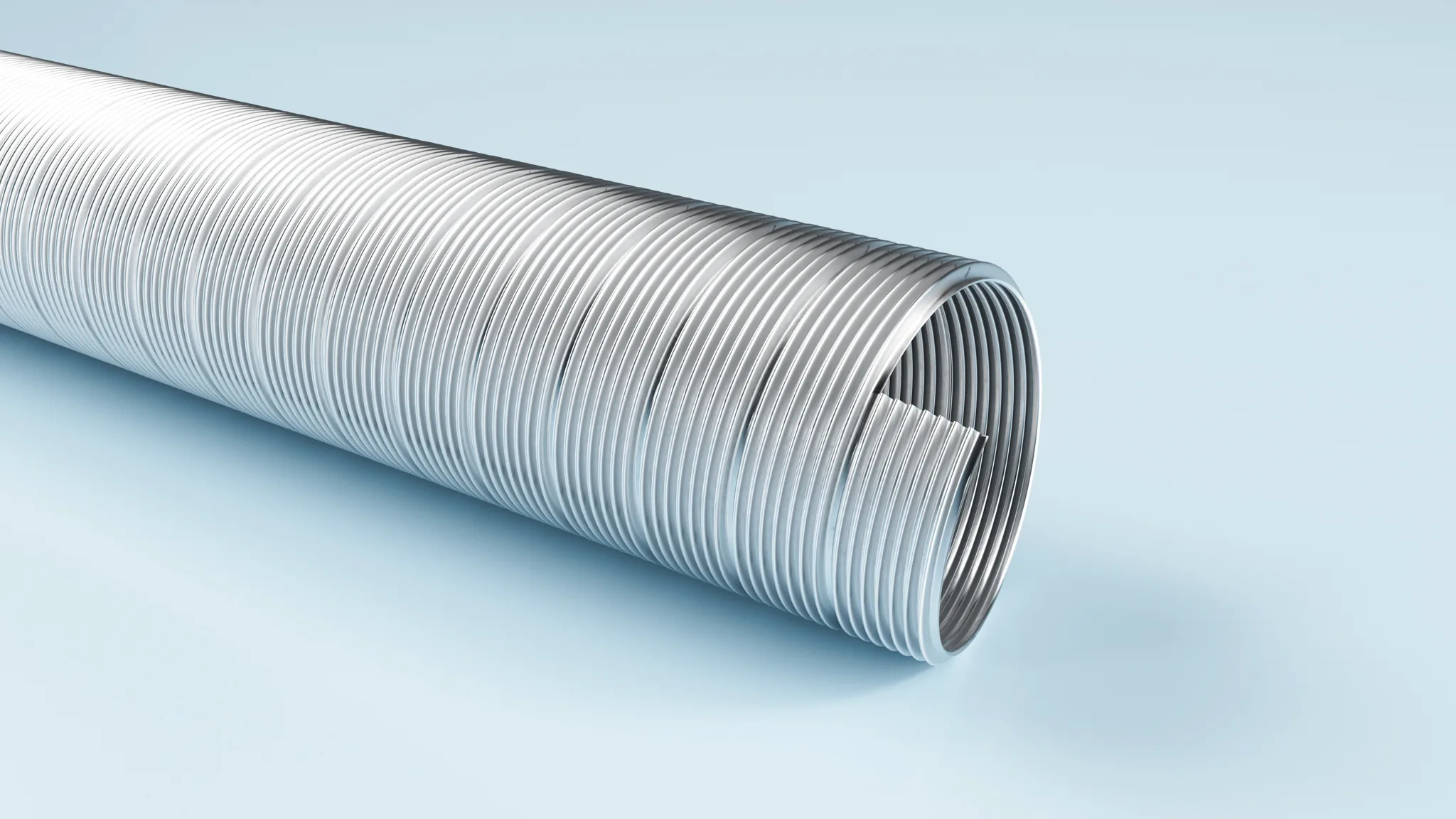
METAL HOSE ALU 377 - ALUFLEX
Self-locking aluminium hose — flame-retardant, for air conditioning and extraction hoods
- Inner Ø: 75-400 mm
- Temp: +0°C to +300°C

NORDUC PA 134
Black, liquid-tight PA6 protection hose for cables in electrical and switch cabinet installations
- Inner Ø: 8.4-47.7 mm
- Temp: −40°C to +125°C
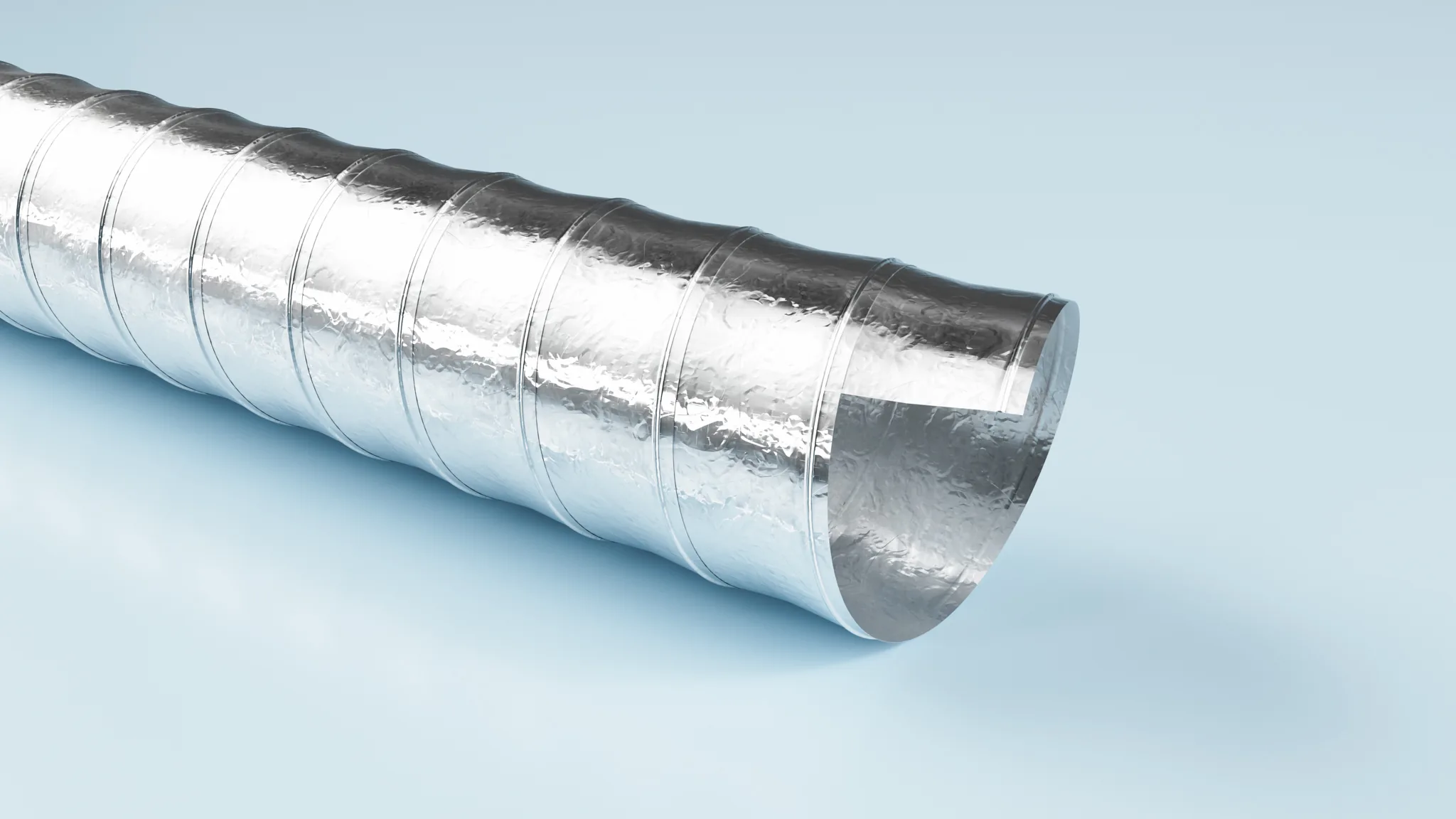
PROTAPE® ALU-PES 369
Highly flexible air conditioning hose — flame-retardant, up to +140°C, alu-pes-based
- Inner Ø: 75-610 mm
- Temp: −40°C to +140°C
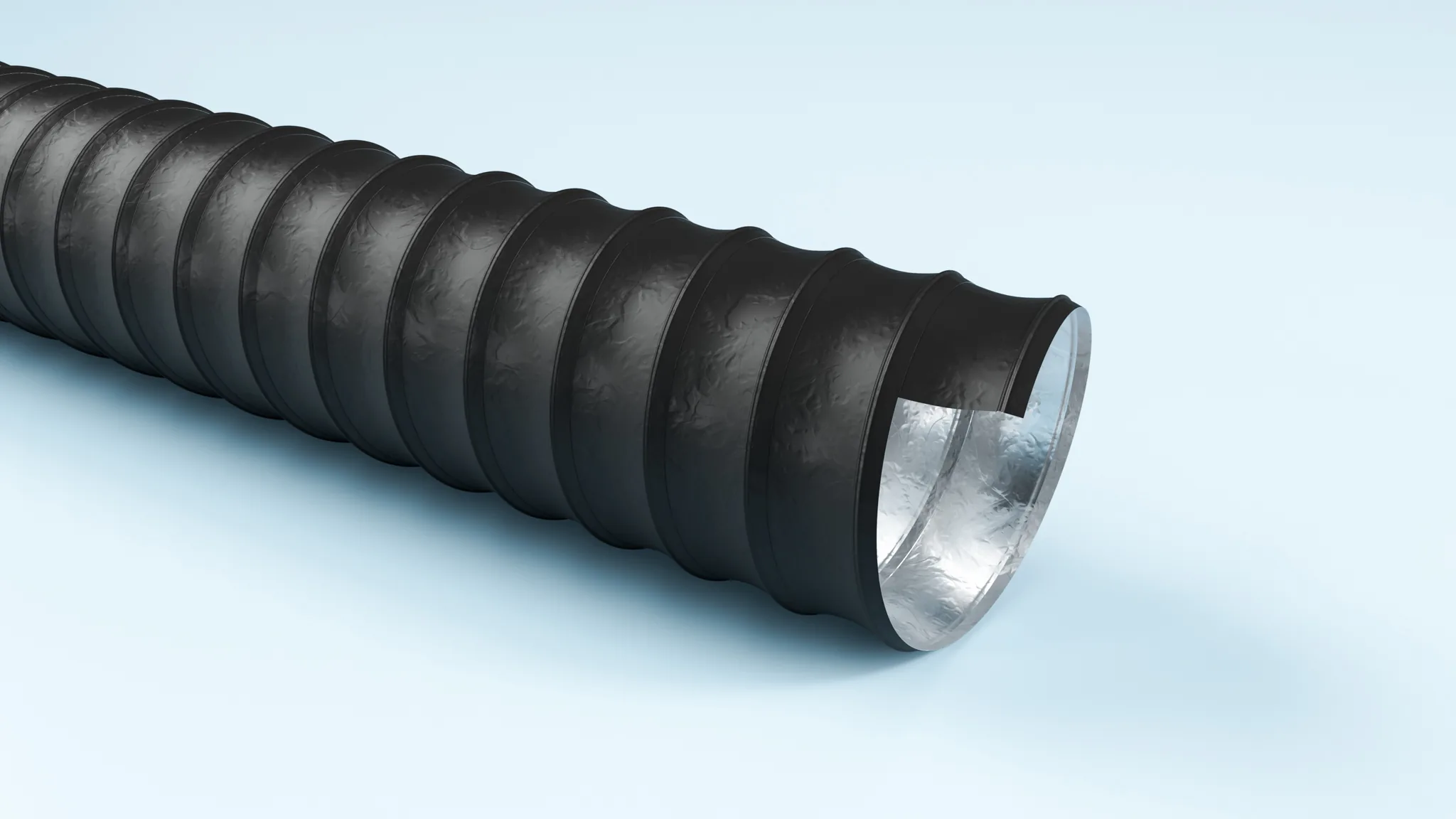
PROTAPE® ALU-PVC 369
Highly flexible air conditioning hose — flame-retardant, up to +140°C, alu-pvc-based
- Inner Ø: 76-610 mm
- Temp: −40°C to +140°C
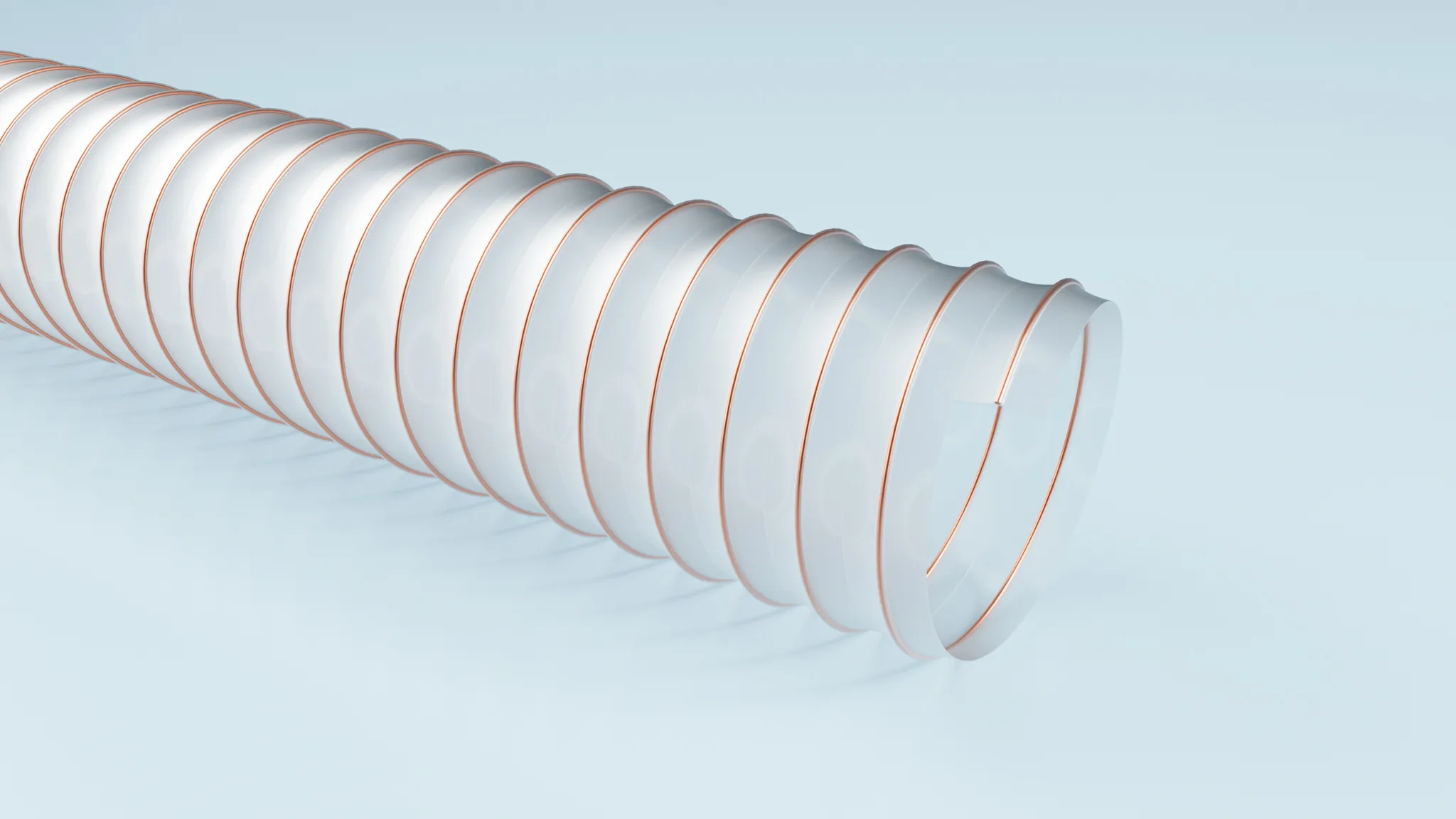
PROTAPE® PUR 301 AS (XLD)
Extra-light-duty antistatic PUR hose — flame-retardant, microbe-resistant, for Zone 22
- Inner Ø: 25.1-500 mm
- Temp: −40°C to +90°C
- Standards: ATEX 2014/34/EU, TRGS 727
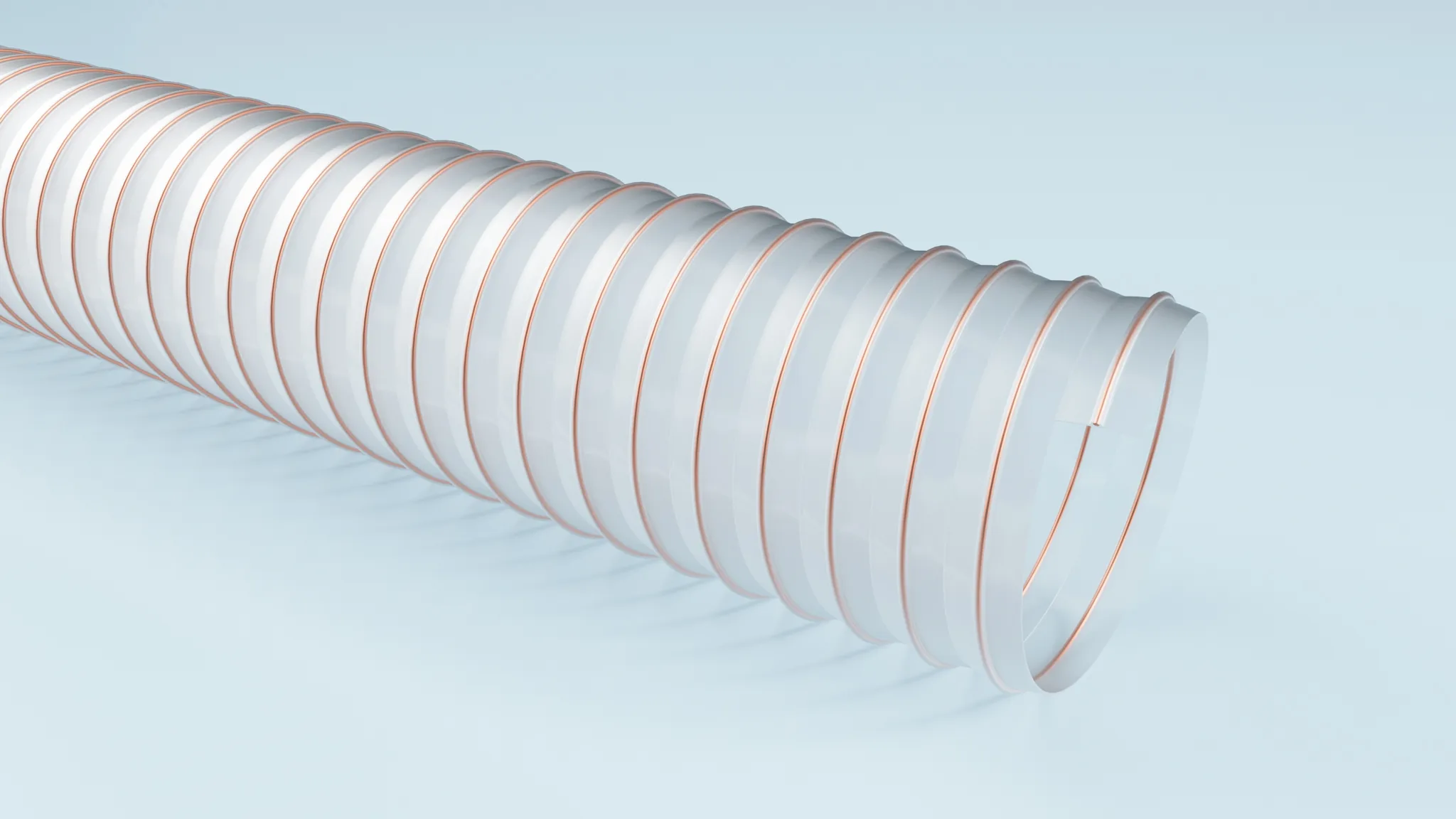
PROTAPE® PUR 330 AS (LD)
Highly flexible antistatic PUR hose — flame-retardant multipurpose in light-duty construction
- Inner Ø: 25-500 mm
- Temp: −40°C to +90°C
- Standards: ATEX 2014/34/EU, TRGS 727
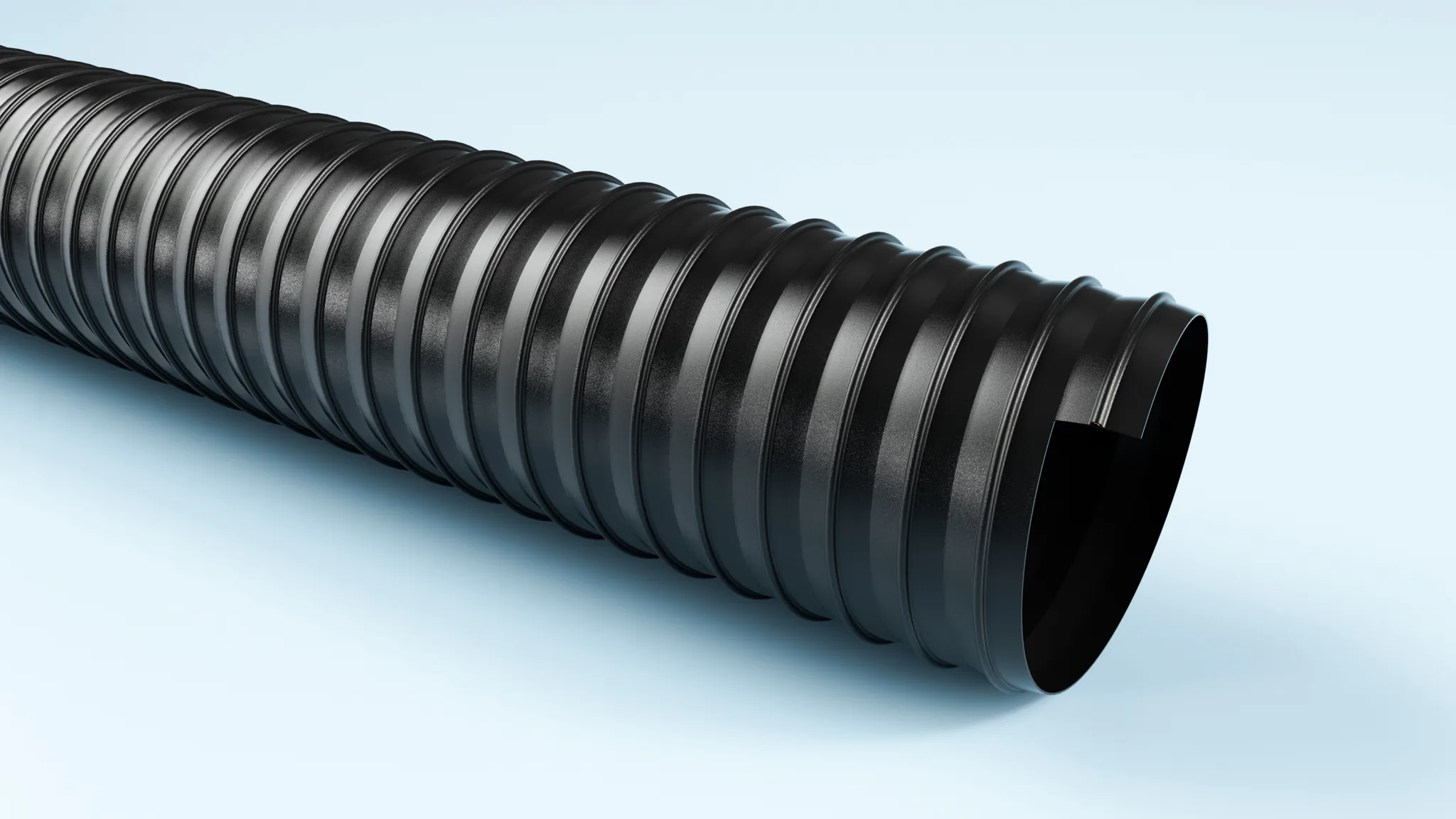
PROTAPE® PUR 330 AS BLACK
Antistatic PUR hose, lightweight and flame-retardant — microbe-resistant and easy to identify
- Inner Ø: 50.5-300 mm
- Temp: −40°C to +90°C
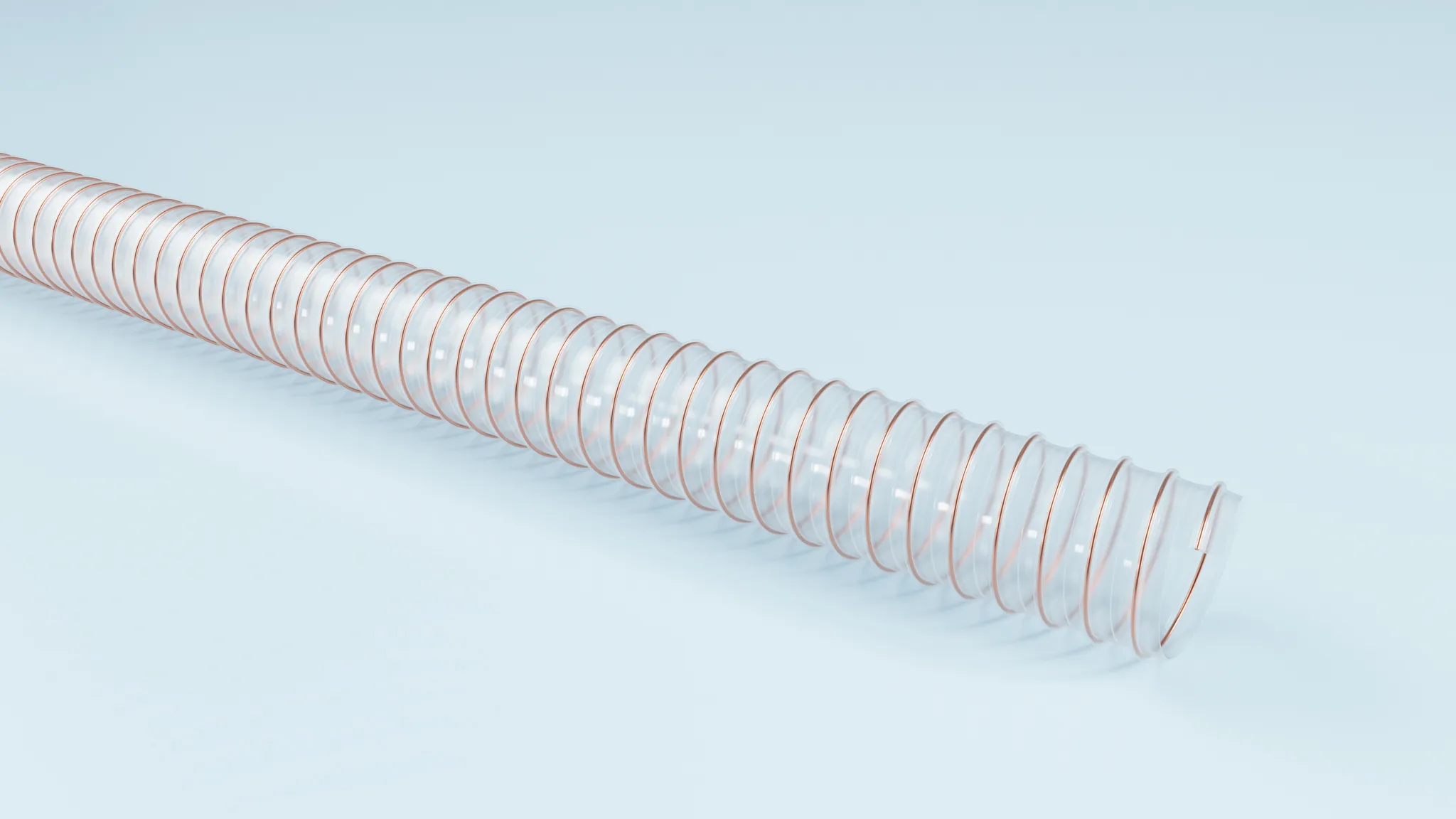
PROTAPE® PUR 332 SE (LD)
Self-extinguishing PU hose — DIN 4102-B1 + FMVSS 302, for ventilation in trains and ships
- Inner Ø: 30-65 mm
- Temp: −40°C to +90°C
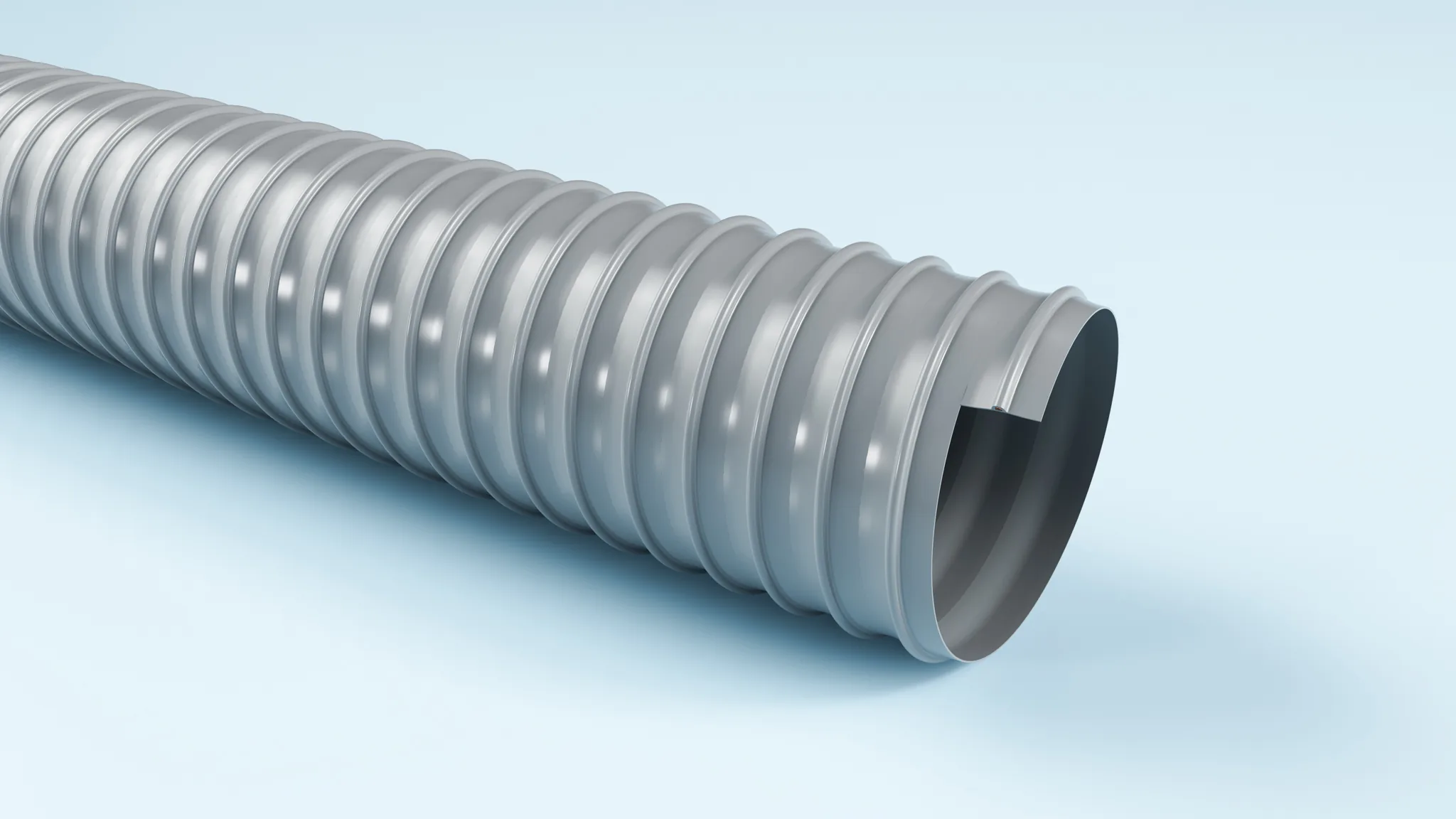
PROTAPE® PVC 310 (LD)
Flame-retardant PVC hose for solvent vapours and X-ray cable protection
- Inner Ø: 30-300 mm
- Temp: −10°C to +80°C
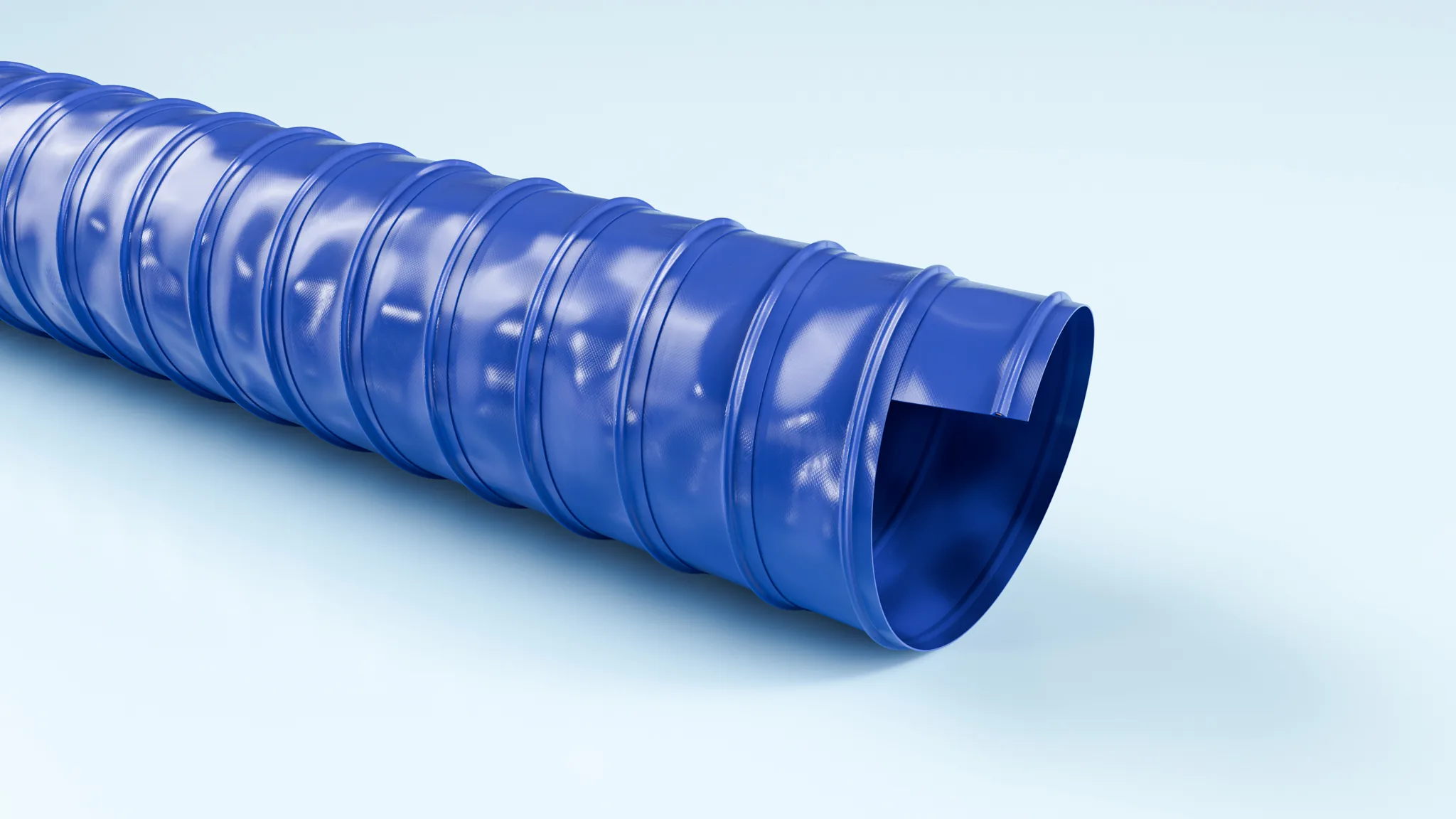
PROTAPE® PVC 371 (HD)
Heavy duty PVC ventilation hose — self-extinguishing per ISO 3795, blue, for galvanic extraction
- Inner Ø: 50-600 mm
- Temp: −20°C to +90°C
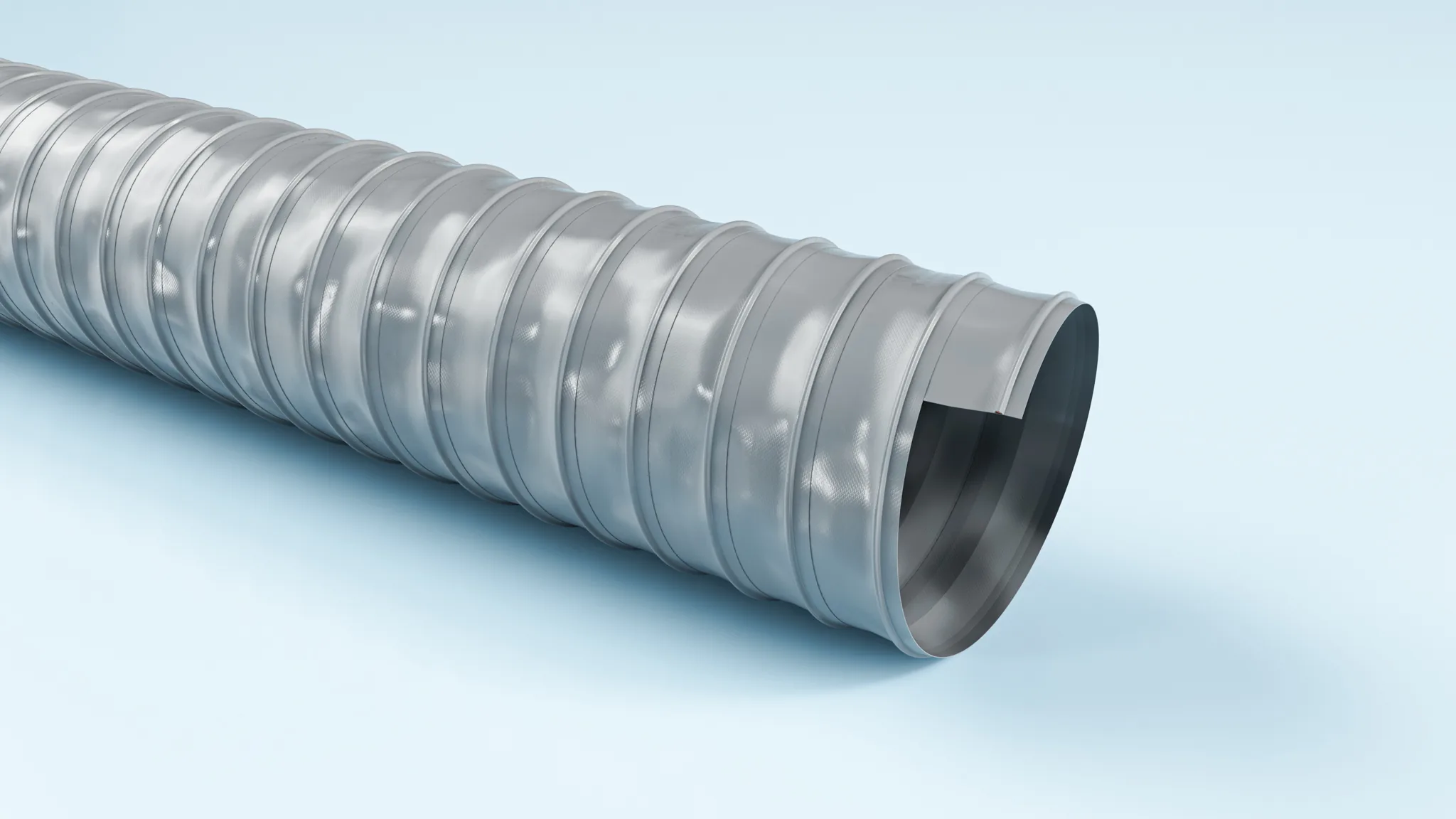
PROTAPE® PVC 371 (LD)
Flame-retardant PVC ventilation hose — the lightest (LD) variant of PROTAPE® PVC 371
- Inner Ø: 40-508 mm
- Temp: −10°C to +80°C
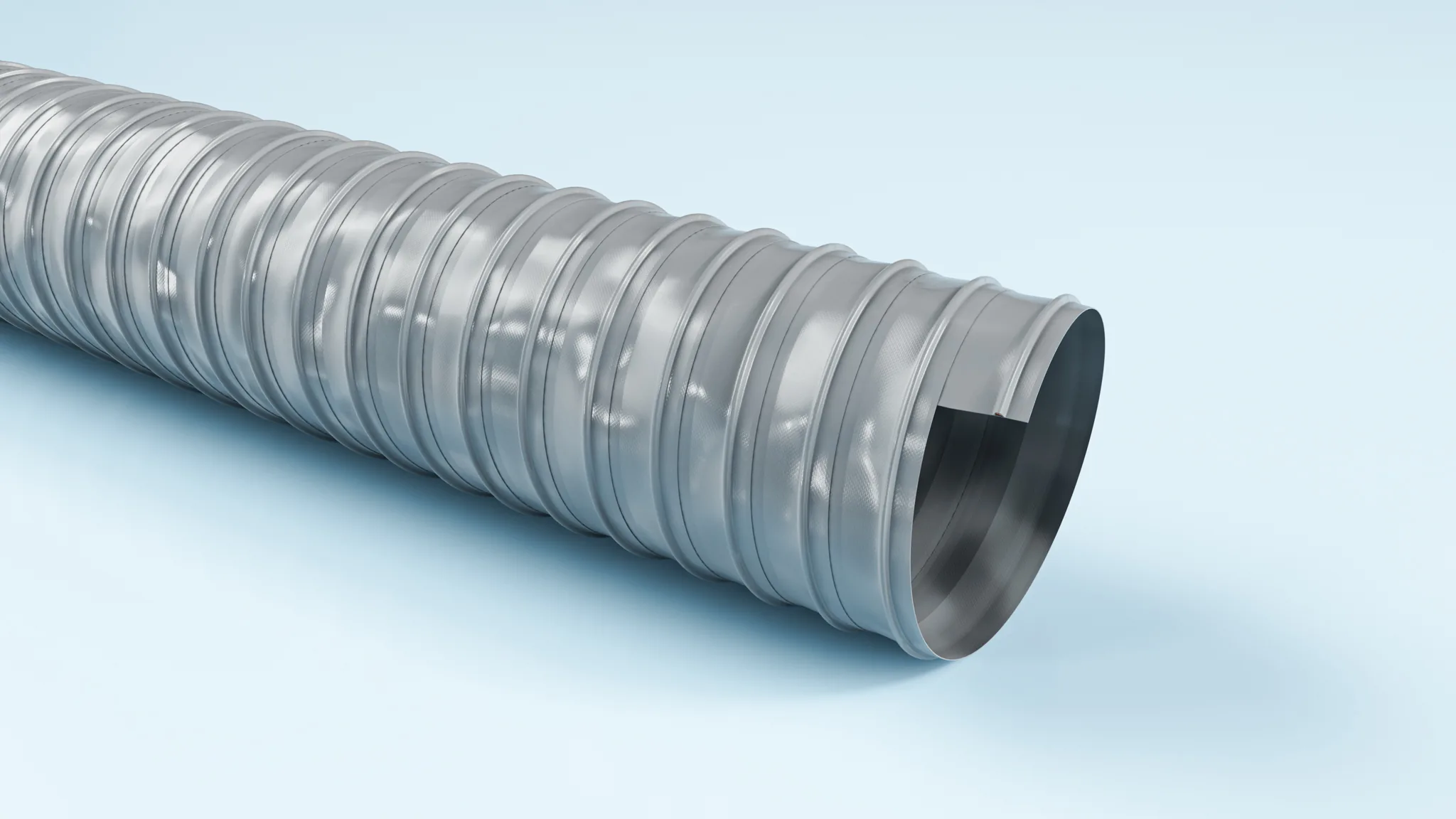
PROTAPE® PVC 371 (MD)
Flame-retardant ventilation hose — flexible, fabric-reinforced, for hot air and welding fume
- Inner Ø: 50-600 mm
- Temp: −10°C to +80°C
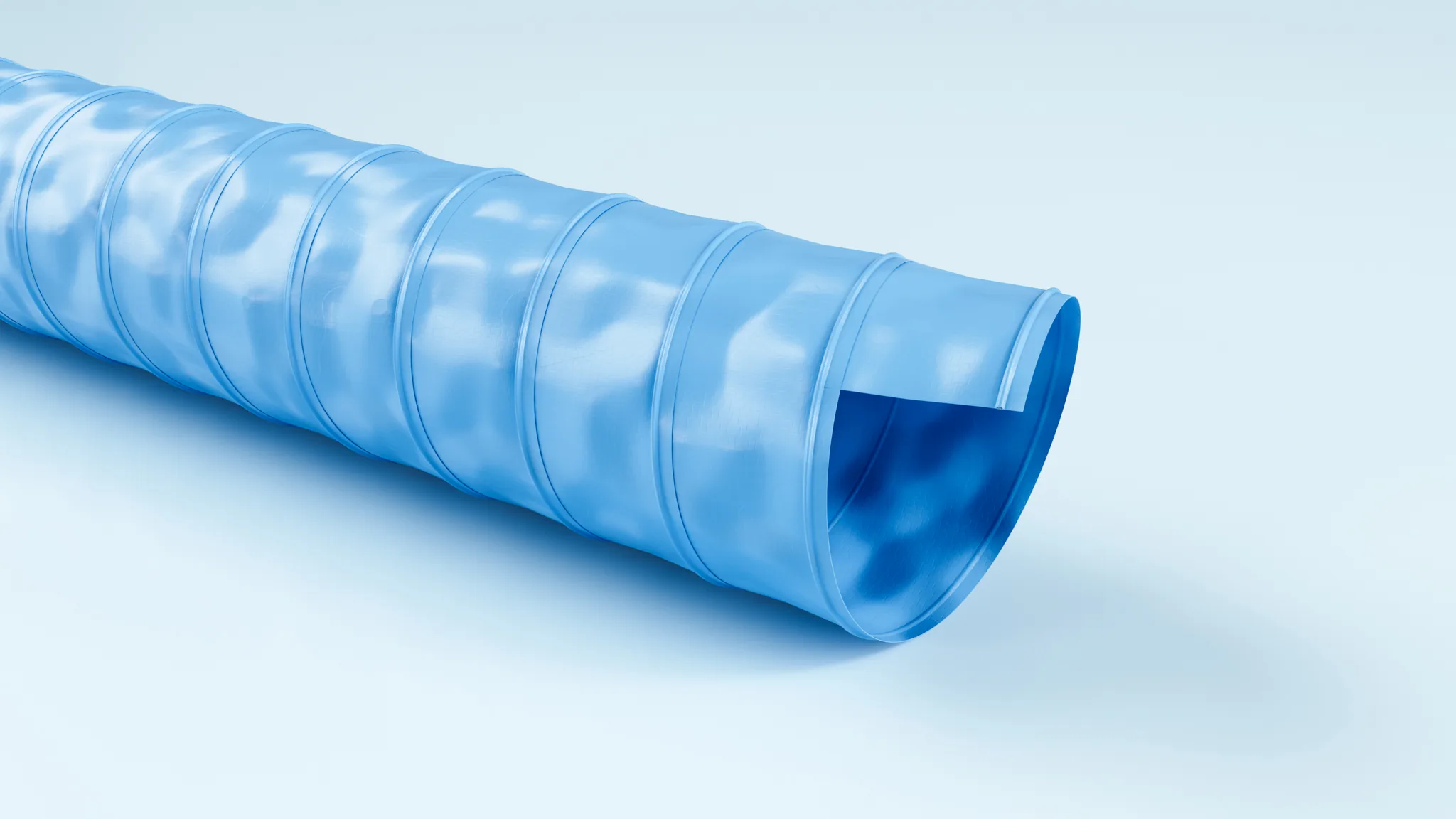
PROTAPE® PVC 371 ANTI-BACTERIAL (XLD)
Flame-retardant PVC ventilation hose — the antibacterial XLD variant for air conditioning systems
- Inner Ø: 76-610 mm
- Temp: −10°C to +80°C
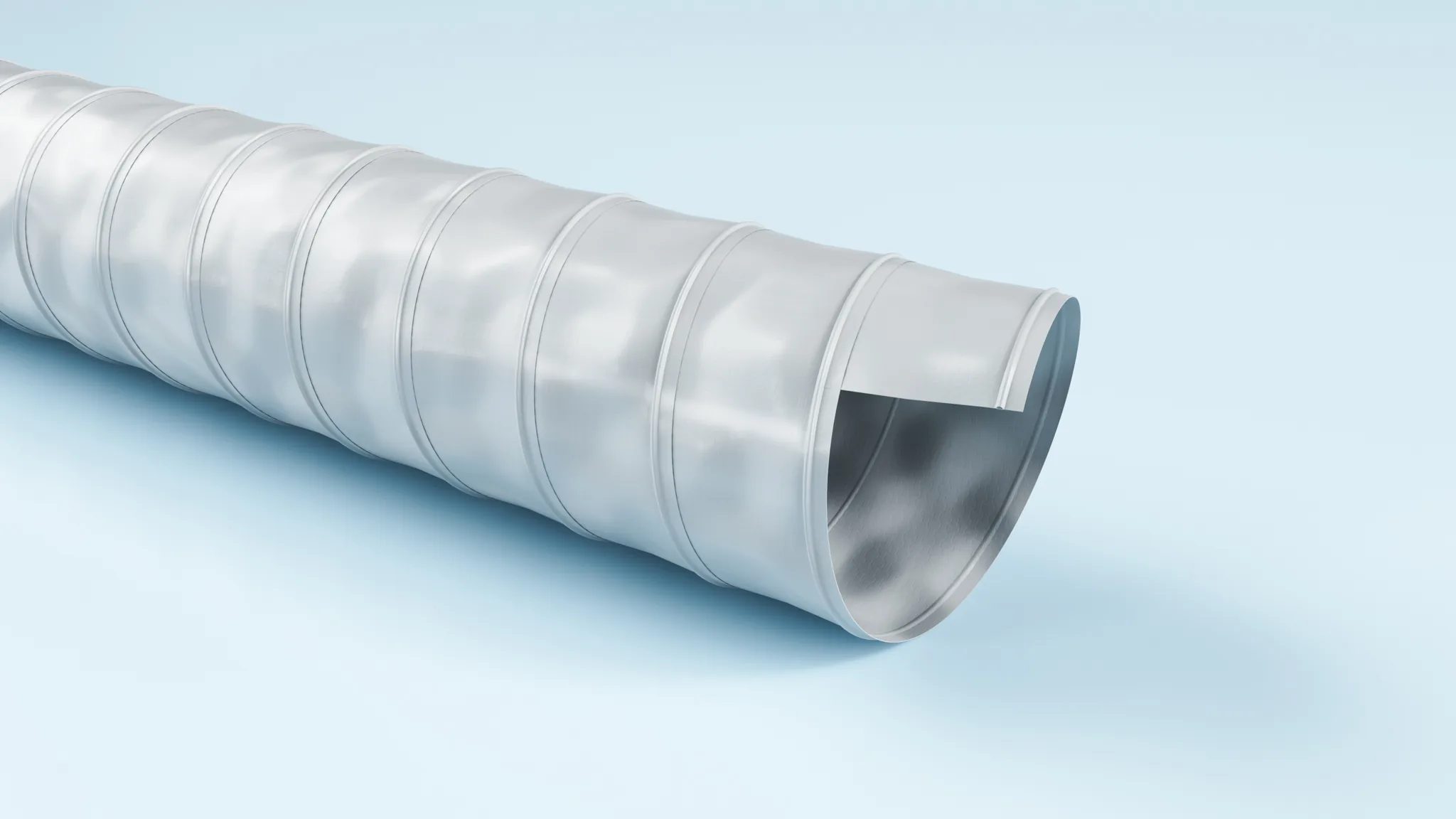
PROTAPE® PVC 371 GREY (XLD)
Flame-retardant PVC ventilation hose — the grey XLD variant with 10:1 compression and FMVSS 302 approval
- Inner Ø: 76-610 mm
- Temp: −10°C to +80°C
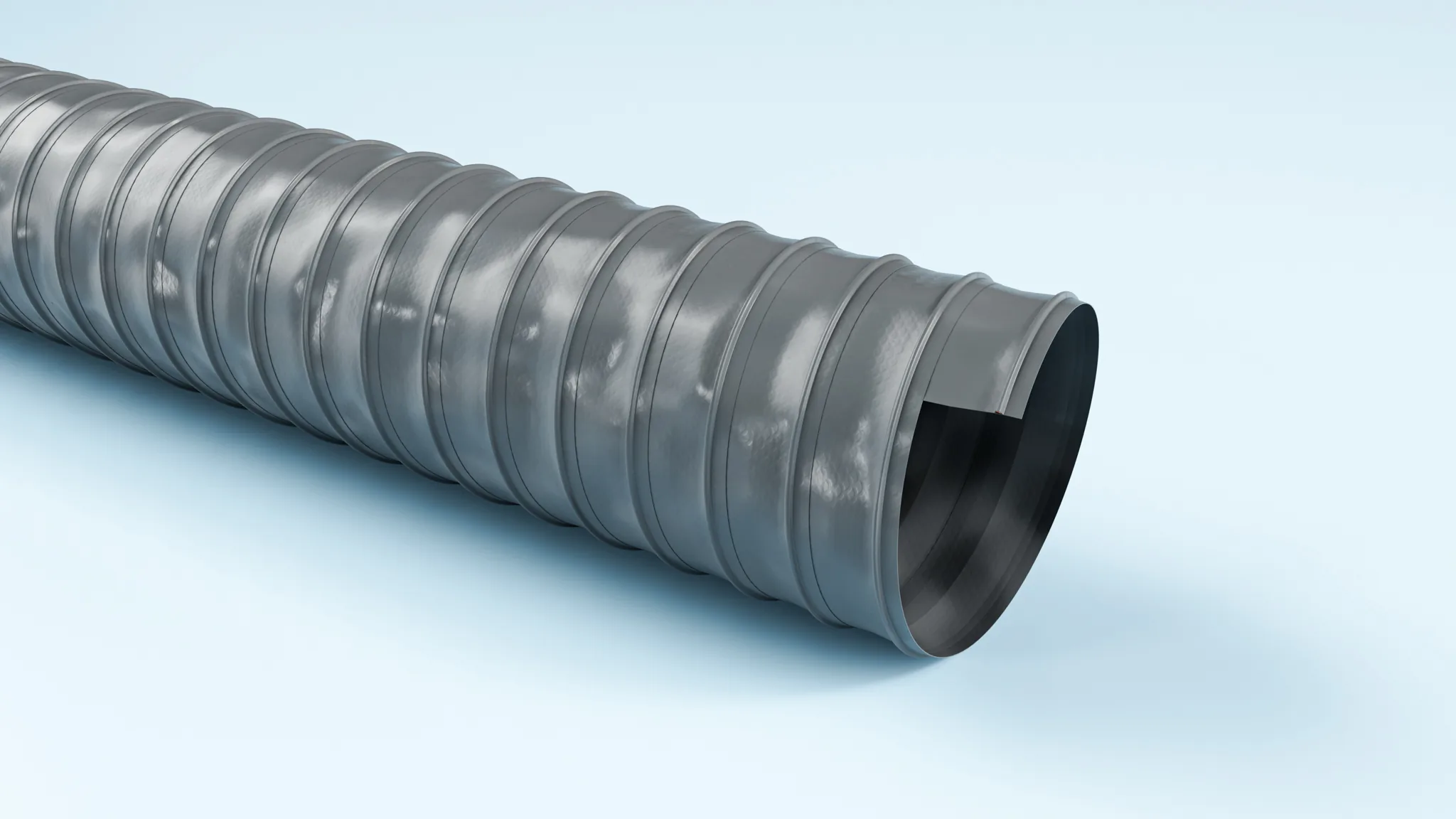
PROTAPE® PVC 371 HT (LD)
Flame-retardant PVC ventilation hose — the high-temperature (HT) variant with M1 fire class, up to +110°C continuous
- Inner Ø: 50.5-305 mm
- Temp: −10°C to +110°C
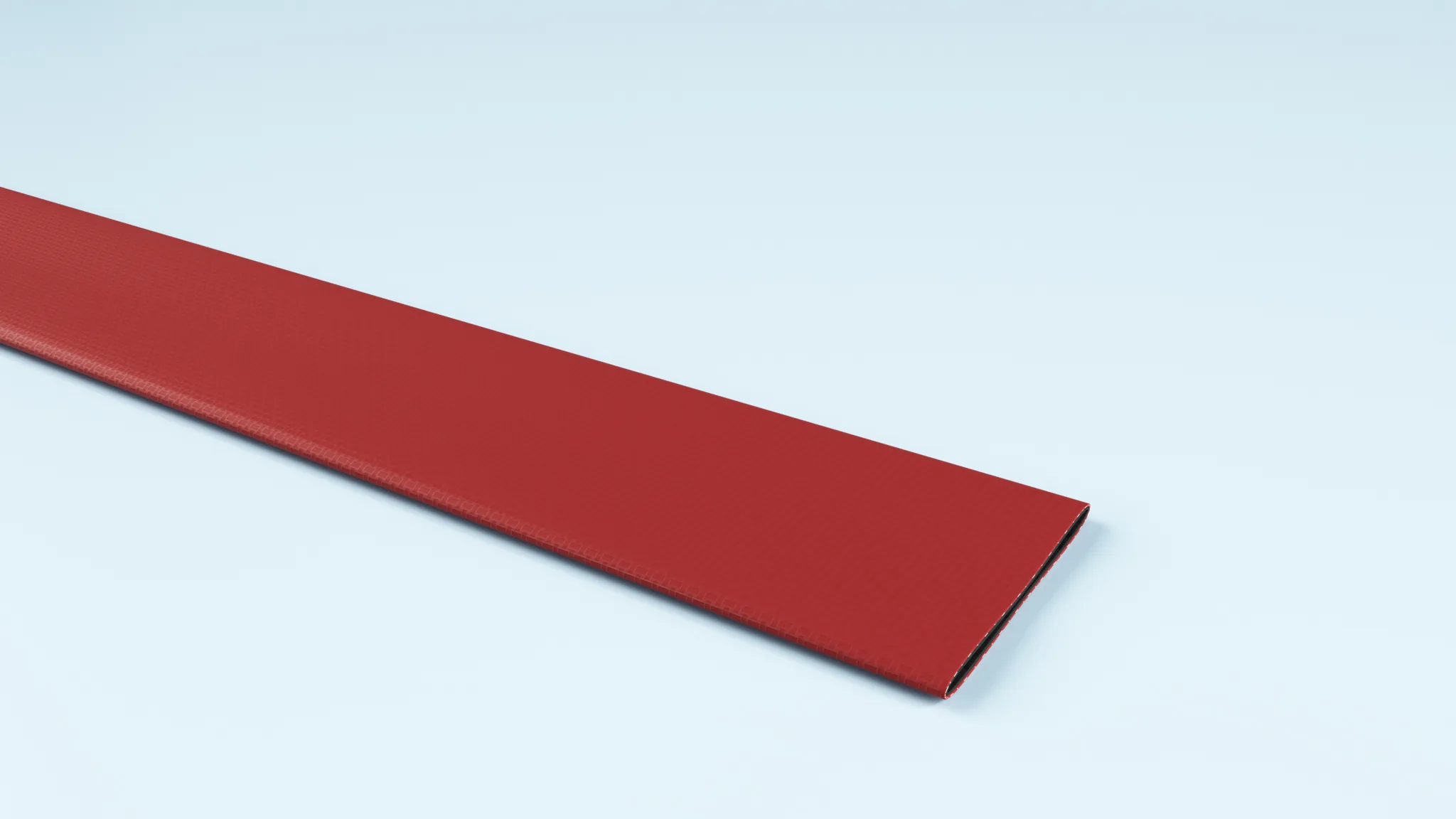
PYROFLAT
Layflat firefighting hose, EPDM/PU, seawater-resistant
- Inner Ø: 38-102 mm
- Temp: −40°C to +80°C
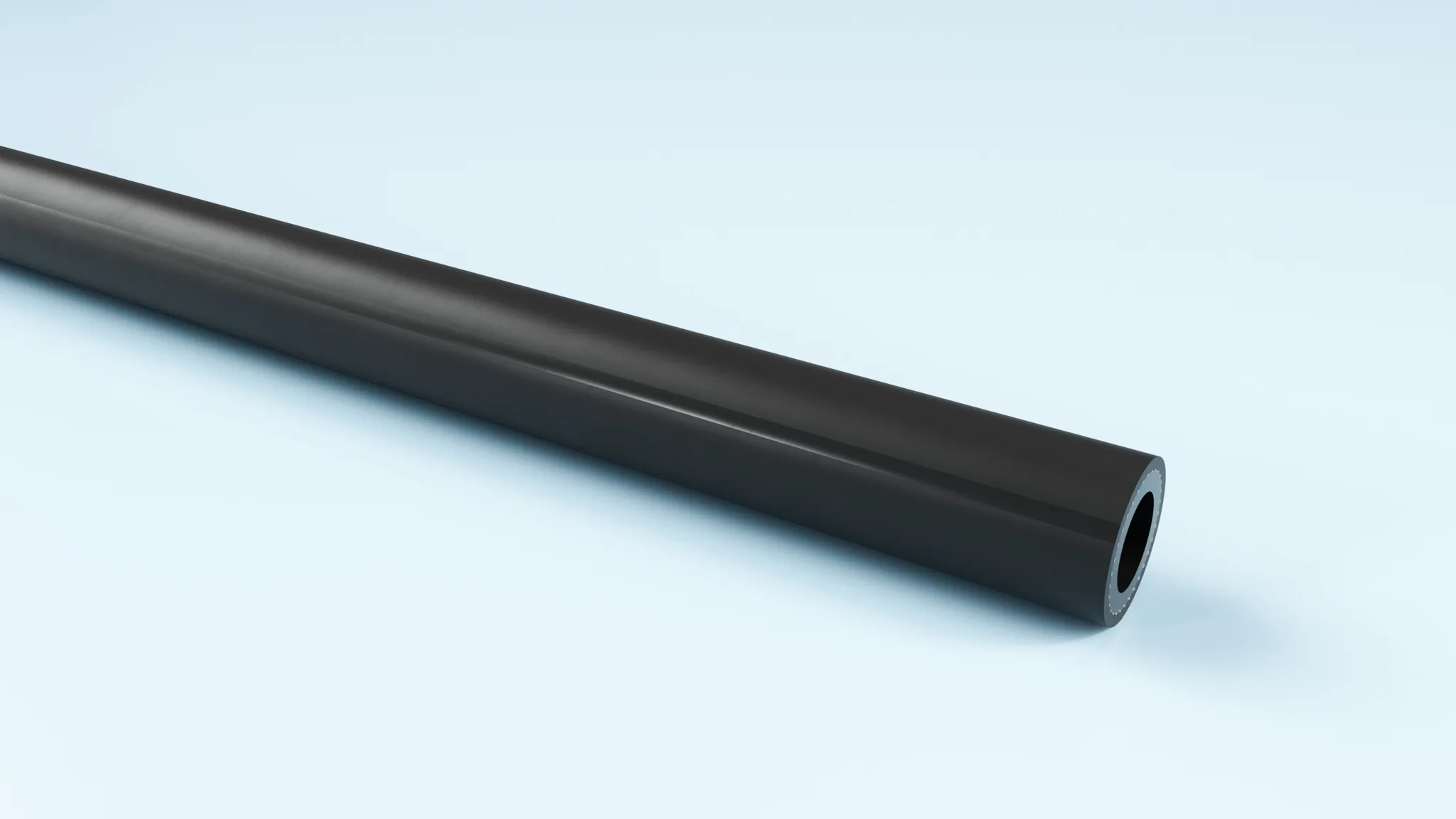
RESPIROFORM
Breathing air hose per EN 14594, antistatic, flame-retardant
- Inner Ø: 9.5-9.5 mm
- Temp: −20°C to +70°C
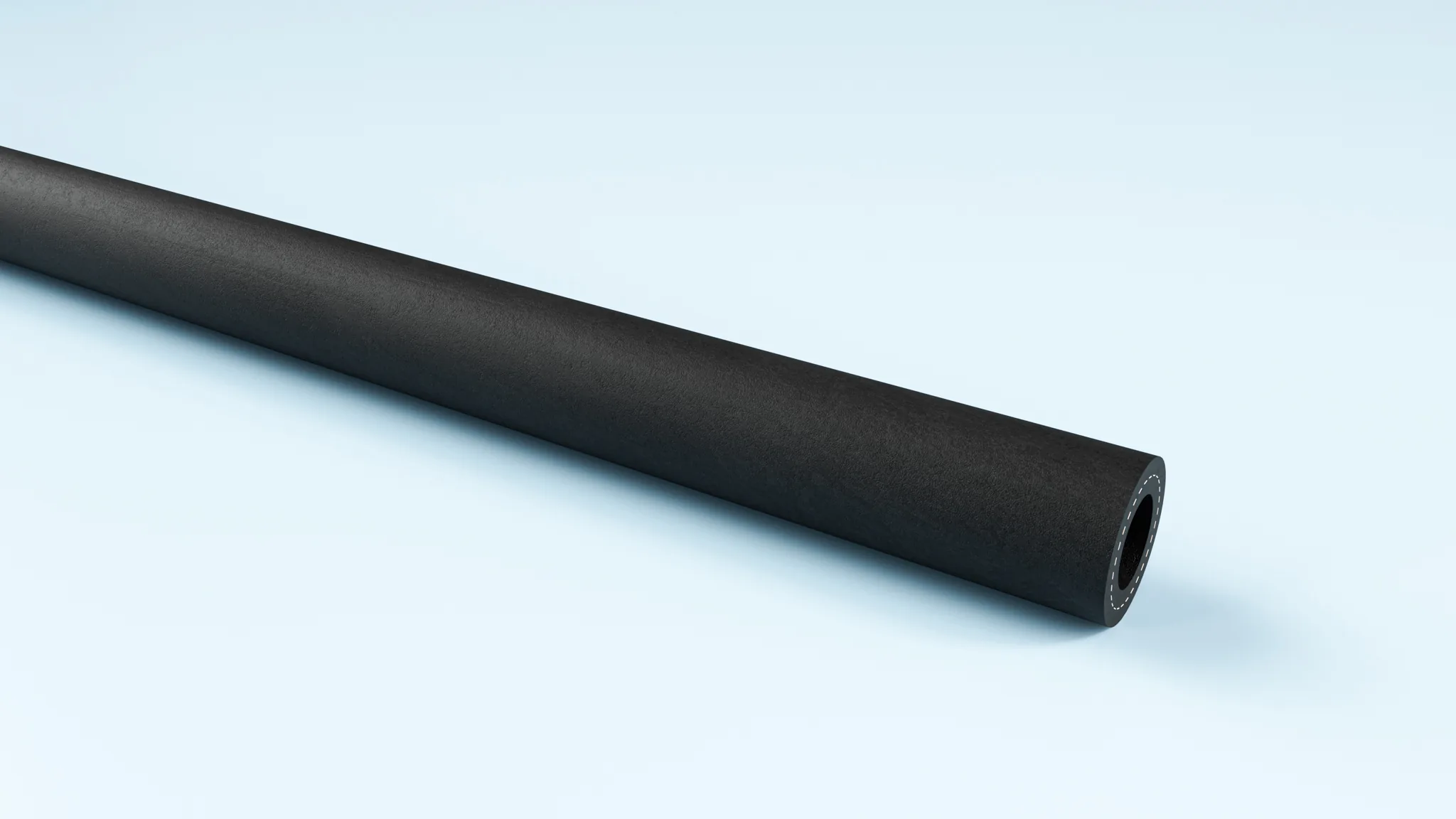
SALDAFORM/BLACK
Corrugated welding hose (black) for neutral gases in oxy-fuel applications
- Inner Ø: 6.3-9 mm
- Temp: −30°C to +80°C
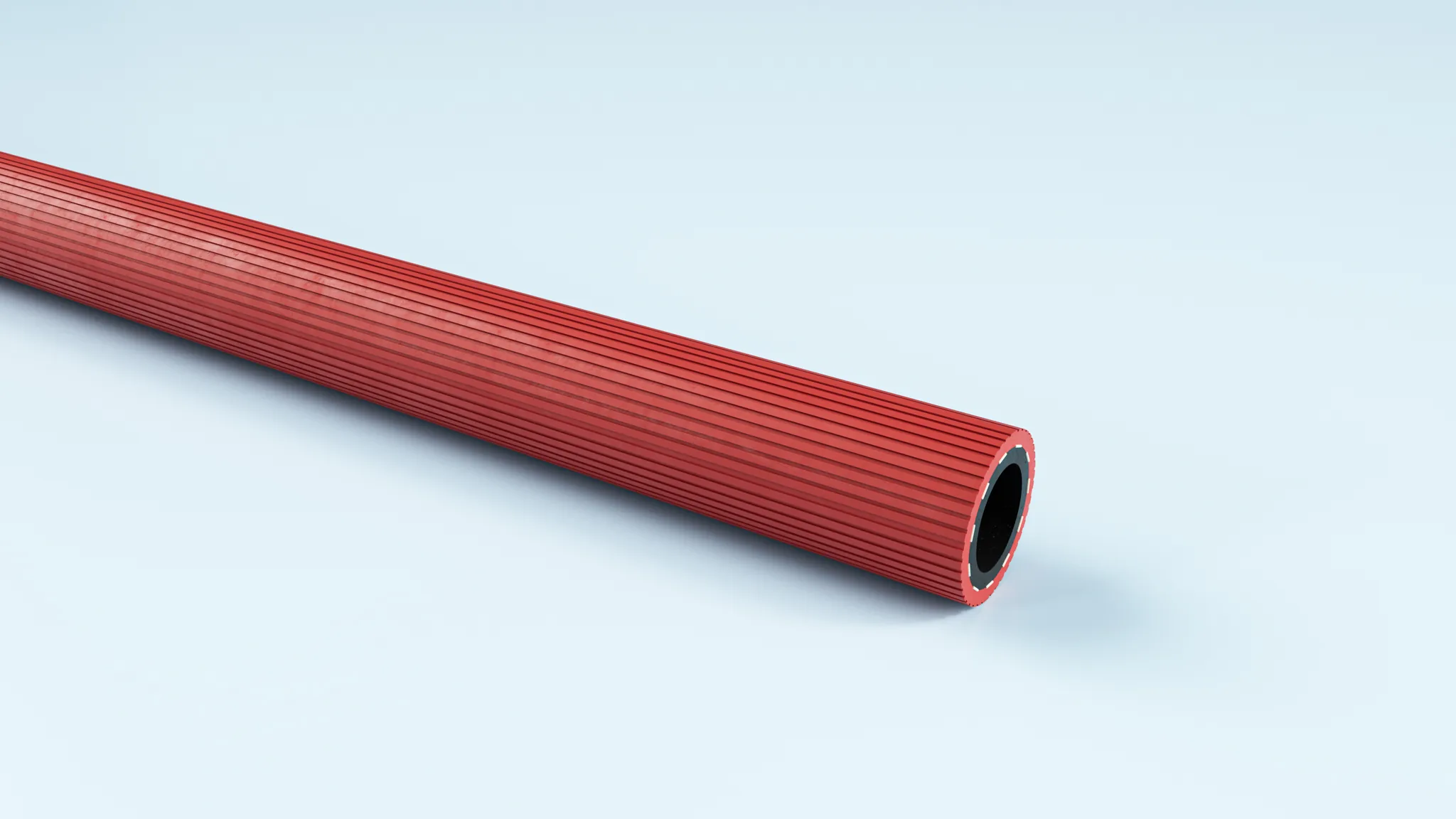
SALDAFORM/RED
Corrugated acetylene welding hose (red) for oxy-fuel applications
- Inner Ø: 6.3-16 mm
- Temp: −30°C to +80°C
SALDAFORM®
Twin welding hose — for oxyacetylene welding of oxygen and acetylene in one assembly
- Temp: −25°C to +65°C
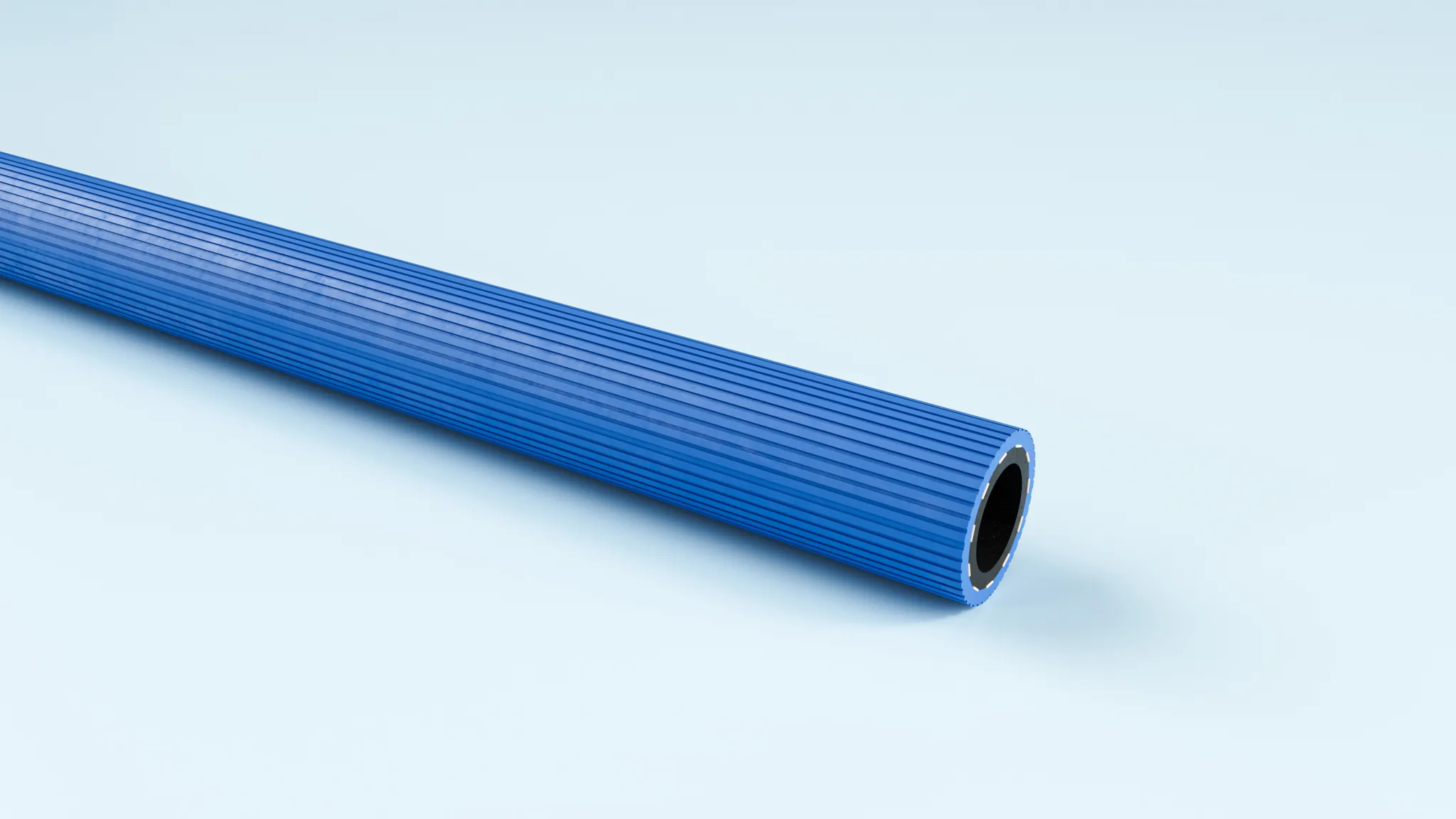
SALDAFORM®/BLUE
Corrugated oxygen hose — for oxyacetylene welding, ISO 3821:2019
- Inner Ø: 6.3-16 mm
- Temp: −30°C to +70°C
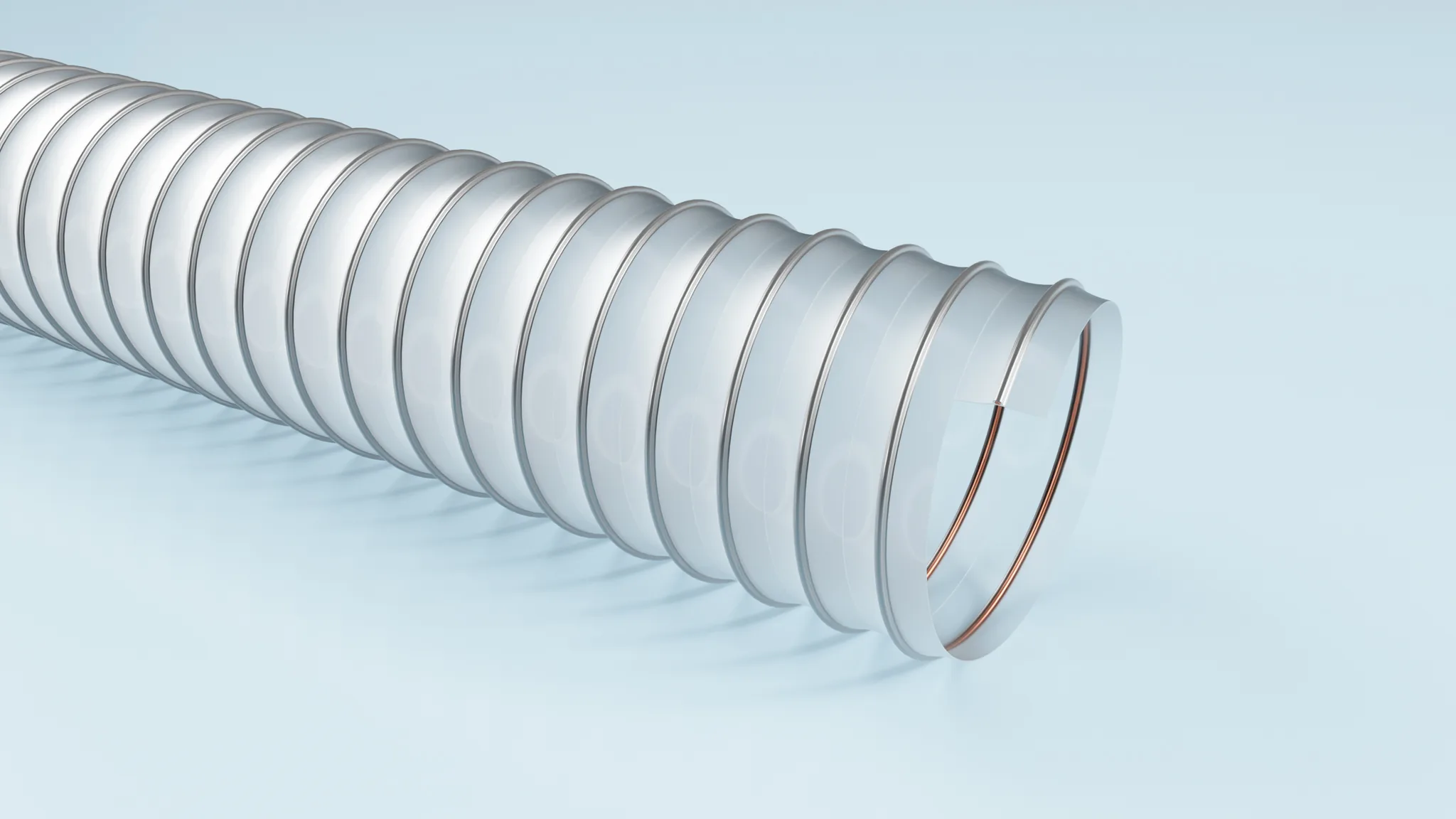
TIMBERDUC PUR 531 AS (XLD)
Highly flexible suction and pressure hose for the wood industry (XLD = extra light duty)
- Inner Ø: 50.5-400 mm
- Temp: −40°C to +90°C
- Standards: ATEX 2014/34/EU, TRGS 727
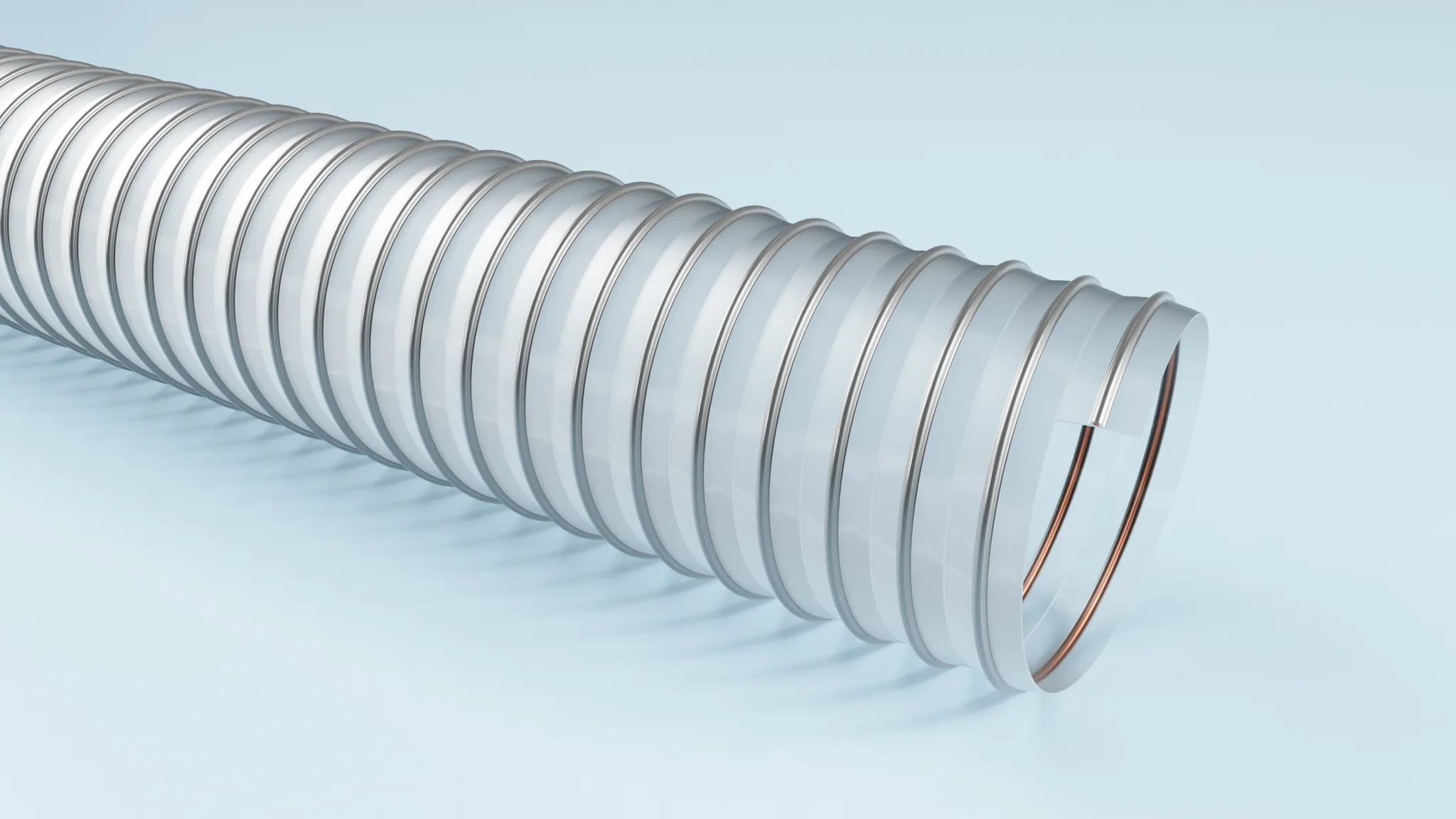
TIMBERDUC PUR 532 AS (LD)
Highly flexible suction and pressure hose for the wood industry (LD = light duty)
- Inner Ø: 40-400 mm
- Temp: −40°C to +90°C
- Standards: ATEX 2014/34/EU, TRGS 727
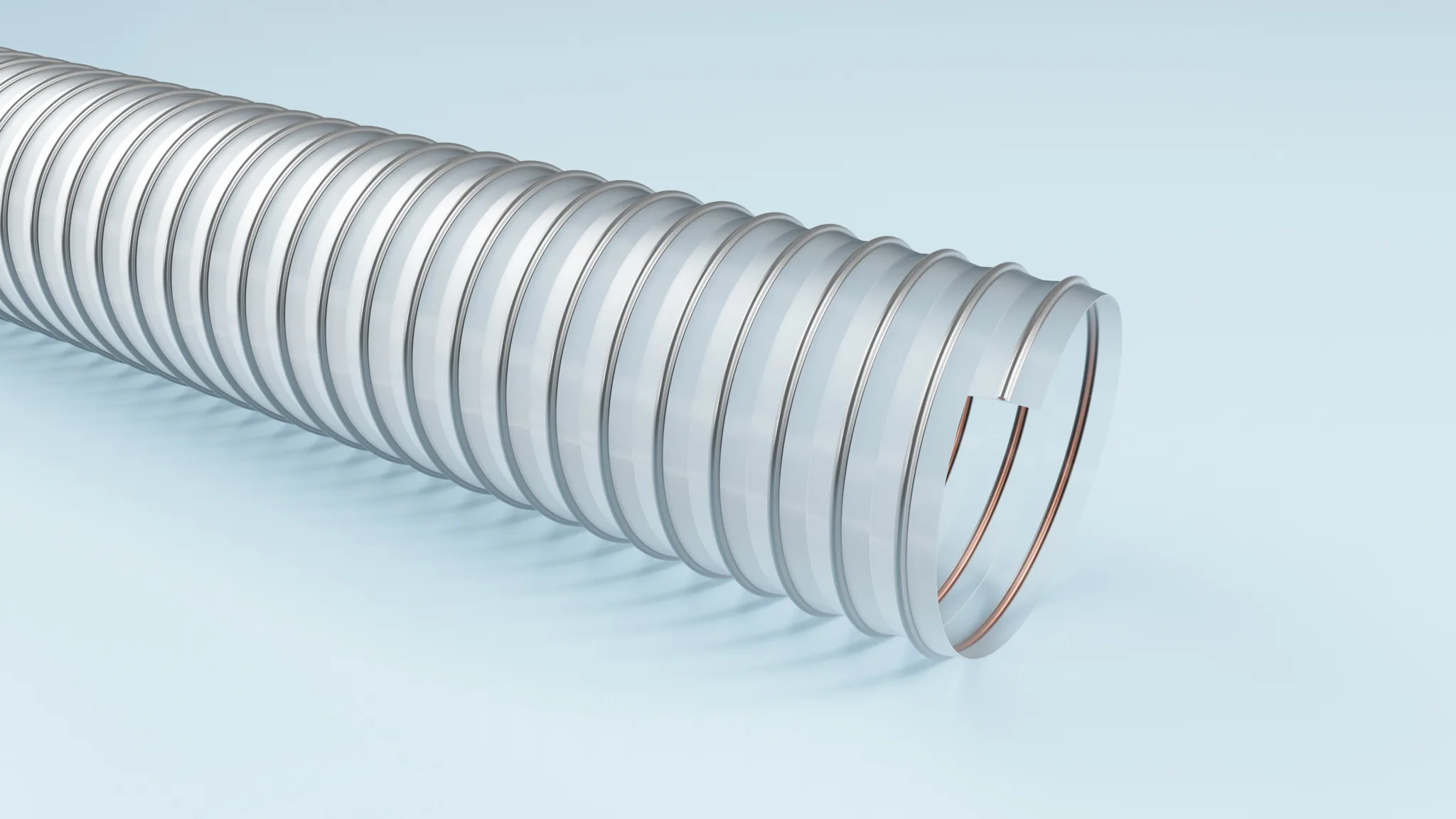
TIMBERDUC PUR 532 CNC (MD)
Medium-duty hose specifically for CNC milling
- Inner Ø: 200-400 mm
- Temp: −40°C to +90°C
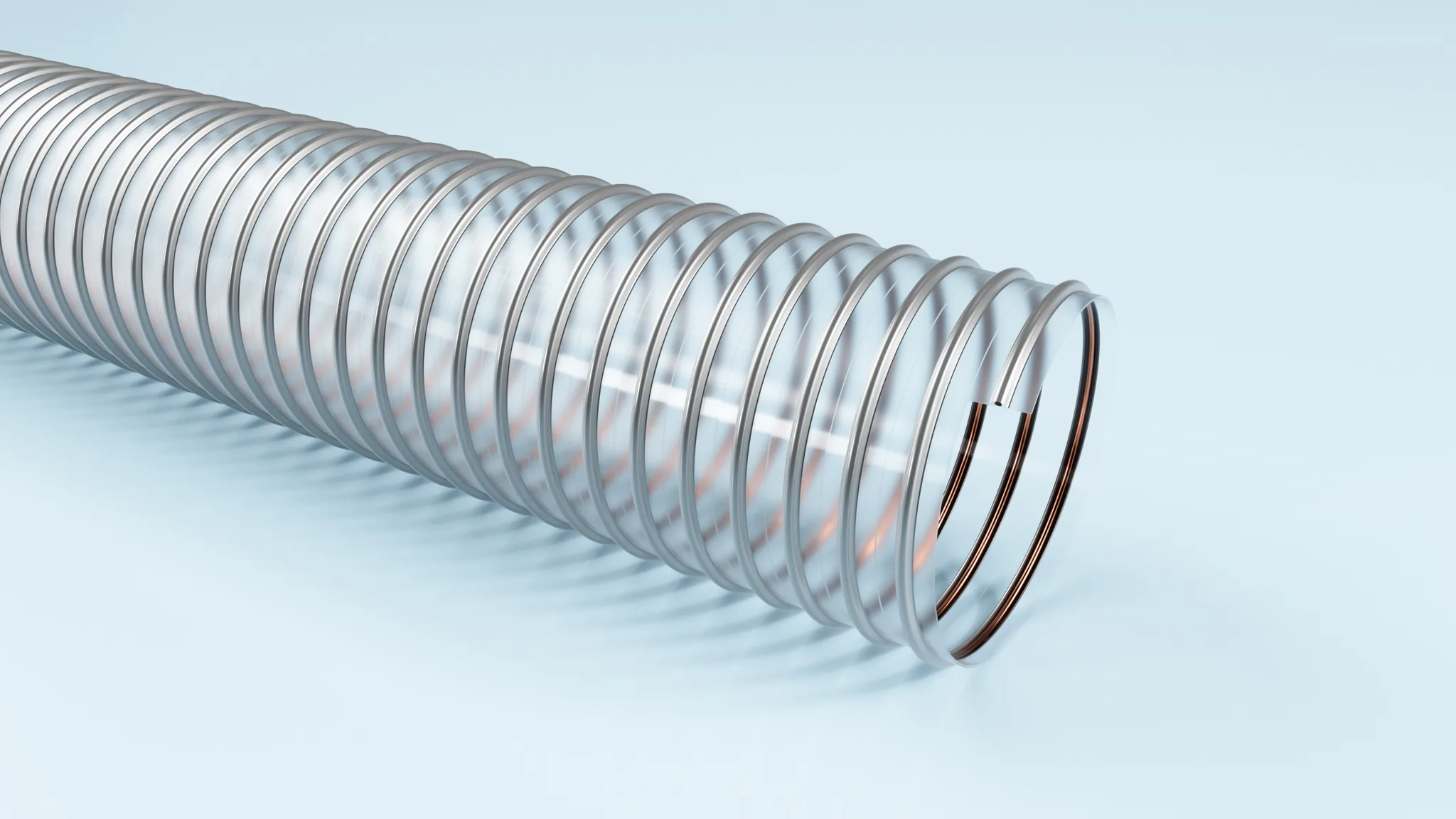
TIMBERDUC PUR 533 AS
Highly abrasion-resistant suction and pressure hose with increased pressure and vacuum resistance
- Inner Ø: 100-104 mm
- Temp: −40°C to +90°C
TIMBERDUC PUR 533 AS (MD)
Highly abrasion-resistant suction and pressure hose with increased pressure and vacuum resistance
- Inner Ø: 40-400 mm
- Temp: −40°C to +90°C
- Standards: ATEX 2014/34/EU, TRGS 727
Flame-retardant is not the same as non-combustible
This is the most common misunderstanding in tender documents. A hose labelled flame-retardant can still burn. The difference lies in how it behaves once alight: it does not feed the flame itself, it burns more slowly, and it goes out within a defined period once the ignition source is gone. If the requirement is that the material must not contribute to a fire at all, that points to a different material class than plastic hoses.
The classifications belong to different sectors
DIN 4102-B1 is the German building class for materials that are difficult to ignite, and EN 13501-1 is its European successor, where the class is written as C-s1, d0 for example. DIN 5510-2 and EN 45545-2 apply to rolling stock. FMVSS 302 and ISO 3795 are vehicle tests. NF P 92-503 and NF P 92-507 give the French M classes. UL 94 is a material test in which HB means slow horizontal burning, and V-0 is the strictest class, where the specimen must extinguish within ten seconds of the flame being removed.
Smoke and flaming droplets count as much as the flame
In enclosed spaces the smoke is often more dangerous than the fire itself. That is why the newer classifications carry sub-classes: in EN 13501-1 the s denotes smoke production and the d flaming droplets, so C-s1, d0 means low smoke and no droplets. DIN 5510-2 does the same with SR for smoke density and ST for toxicity. When an installation is signed off, it is usually the sub-classes that decide the outcome, not the leading letter.
Questions we hear often
What does flame-retardant actually mean?
That the material is difficult to ignite, burns slowly and usually self-extinguishes once the ignition source is removed. It does not mean the hose is non-combustible. Under sufficient heat a flame-retardant material burns as well.
Which fire class do I need?
The requirement comes from the installation, not from the hose. Building installations typically reference DIN 4102-B1 or EN 13501-1, rail DIN 5510-2 or EN 45545-2, and vehicles FMVSS 302. If the tender names a specific class, the hose datasheet must document that exact class and not a related one.
What is the difference between UL94-HB and UL94-V0?
HB is the mildest class: the material only burns slowly in the horizontal position and self-extinguishes once the flame is removed. V-0 is the strictest of the common classes: the specimen must extinguish within ten seconds of the ignition source being removed, and flaming droplets must not ignite the cotton placed beneath the specimen.
What do s1 and d0 mean in EN 13501-1?
The s refers to smoke production and the d to flaming droplets. s1 is the lowest smoke class, and d0 means no flaming droplets fall. The class C-s1, d0 therefore describes a material with limited contribution to the fire, low smoke development and no droplets.
Can a flame-retardant hose also be antistatic?
Yes, and in dust extraction both are often necessary. Flame retardancy and electrical dissipation are two independent properties, each with its own set of standards. If the hose is to be used in an ATEX zone, both must be documented separately.
See also
- ATEX & ESD hoses: combustible dust often requires both flame retardancy and documented electrical dissipation.
- High-temperature hoses: a high operating temperature is a different requirement from flame retardancy; many installations need both.
- Documentation: datasheets and declarations where the fire classes are documented.